
High-signal drug assessment for drug-related aortic aneurysm and dissection rupture: Evidence from real-world databases and animal experiments
-
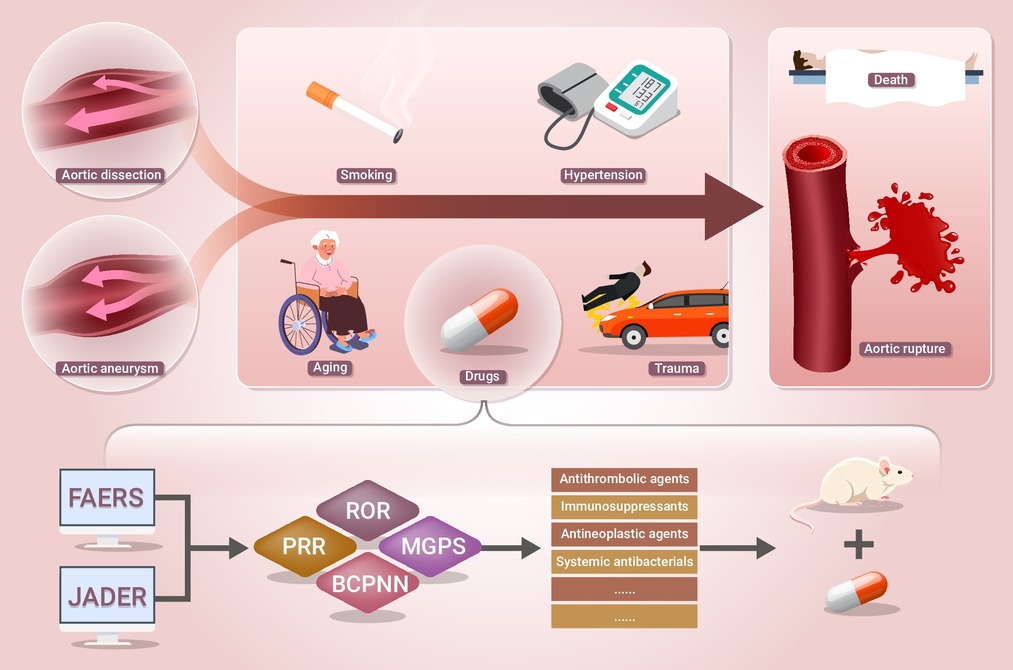
GRAPHICAL ABSTRACT
 DownLoad:
Full size image
DownLoad:
Full size image
-
PUBLIC SUMMARY
-
Aortic aneurysm and dissection may lead to fatal aortic rupture.
We screened 40 high-signal related drugs from real-world databases and verified the risk with animal models.
These drug signals do not confirm causality, and further research is needed to guide safe clinical medication.
-
-
ABSTRACT
Background: Aortic rupture represents the most critical complication of aortic aneurysm and dissection (AAD). Identifying and avoiding drugs associated with increased aortic rupture risk may provide immediate clinical benefits. Methods: Data from the FAERS and JADER databases (2004 Q1–2025 Q2) were analyzed. Clinical characteristics associated with adverse events of aortic rupture were summarized. Four disproportionality methods, reporting odds ratio (ROR), proportional reporting ratio (PRR), Bayesian confidence propagation neural network (BCPNN), and multi-item gamma Poisson shrinker (MGPS), were applied to detect adverse drug reaction signals. Drugs positive in all four methods were classified as high-signal. A time-to-onset analysis was conducted. Rivaroxaban was chosen as a representative drug for further investigation of its impact on aortic rupture risk in an AAD mouse model. Results: FAERS analysis identified 1,313 drug-associated AAD rupture reports involving 333 medications. Antithrombotic agents were most frequently implicated (247 cases, 18.8%), followed by Immunosuppressants (218 cases, 16.6%) and Antineoplastic agents (176 cases, 13.4%). Disproportionality analysis identified 40 drugs with high reporting signals for AAD rupture. Affected individuals were predominantly male (63.8%) and aged ≥65 years (74.0%). Reports and associated fatalities have increased in recent years, although overall mortality has declined. JADER provided 104 reports (17 drugs), consistent with FAERS findings except for the inclusion of SARS-CoV-2 mRNA vaccines. Animal experiments demonstrated that rivaroxaban did not increase AAD incidence but significantly elevated the aortic rupture risk. Conclusion: This study identified 40 high-signal drugs associated with AAD rupture, offering clinical references for safer drug usage. Further studies are necessary to clarify these risks. -

-
REFERENCES
[1] GBD 2023 Causes of Death Collaborators. (2025). Global burden of 292 causes of death in 204 countries and territories and 660 subnational locations, 1990-2023: a systematic analysis for the Global Burden of Disease Study 2023. Lancet (London, England) 406:1811−1872. DOI:10.1016/s0140-6736(25)01917-8 [2] Fukui T. (2018). Management of acute aortic dissection and thoracic aortic rupture. J. Intensive Care 6:15. DOI:10.1186/s40560-018-0287-7 [3] Pape L. A., Awais M., Woznicki E. M., et al. (2015). Presentation, diagnosis, and outcomes of acute aortic dissection: 17-year trends from the international registry of acute aortic dissection. J. Am. Coll. Cardiol. 66:350−358. DOI:10.1016/j.jacc.2015.05.029 [4] Mazzolai L., Teixido-Tura G., Lanzi S., et al. (2024). 2024 ESC Guidelines for the management of peripheral arterial and aortic diseases. Eur. Heart J. 45:3538−3700. DOI:10.1093/eurheartj/ehae179 [5] Isselbacher E. M., Preventza O., Hamilton Black Iii J., et al. (2022). 2022 ACC/AHA guideline for the diagnosis and management of aortic disease: A report of the American Heart Association/American College of Cardiology Joint Committee on Clinical Practice Guidelines. J. Am. Coll. Cardiol. 80:e223−e393. DOI:10.1016/j.jacc.2022.08.004 [6] Peng L., Yang D. and Weng C. (2024). Sintilimab and cardiovascular toxicity. JAMA 331:1333−1334. DOI:10.1001/jama.2024.0673 [7] Cirmi S., El Abd A., Letinier L., et al. (2020). Cardiovascular toxicity of tyrosine kinase inhibitors used in chronic myeloid leukemia: An analysis of the FDA adverse event reporting system database (FAERS). Cancers 12:826. DOI:10.3390/cancers12040826 [8] Joshi A., Gawey L., Saadi C., et al. (2025). Postmarketing safety surveillance of adalimumab, secukinumab, and infliximab in hidradenitis suppurativa: An analysis of the FDA adverse events reporting system (FAERS) database. J. Am. Acad. Dermatol. 92:1434−1435. DOI:10.1016/j.jaad.2025.02.031 [9] Zhu Z., Li Y., Zhu C., et al. (2025). Disproportionality analysis of interstitial lung disease associated with novel antineoplastic agents during breast cancer treatment: A pharmacovigilance study. EClinicalMedicine 82:103160. DOI:10.1016/j.eclinm.2025.103160 [10] Tang Y., Zhang J., Fang Y., et al. (2025). Correcting mitochondrial loss mitigates NOTCH1-related aortopathy in mice. Nat. Cardiovasc. Res. 4:235−247. DOI:10.1038/s44161-024-00603-z [11] Rochano-Ortiz A., San Sebastián-Jaraba I., Zamora C., et al. (2025). Excessive glycosylation drives thoracic aortic aneurysm formation through integrated stress response. Eur. Heart J. 46:4988−5005. DOI:10.1093/eurheartj/ehaf556 [12] Knuuti J., Wijns W., Saraste A., et al. (2020). 2019 ESC Guidelines for the diagnosis and management of chronic coronary syndromes. Eur. Heart J. 41:407−477. DOI:10.1093/eurheartj/ehz425 [13] Wolfe R., Broder J. C., Zhou Z., et al. (2025). Aspirin, cardiovascular events, and major bleeding in older adults: Extended follow-up of the ASPREE trial. Eur. Heart J. 46:4410−4422. DOI:10.1093/eurheartj/ehaf514 [14] Bowman L., Mafham M., Wallendszus K., et al. (2018). Effects of aspirin for primary prevention in persons with diabetes mellitus. N. Engl. J. Med. 379:1529−1539. DOI:10.1056/NEJMoa1804988 [15] Gaziano J. M., Brotons C., Coppolecchia R., et al. (2018). Use of aspirin to reduce risk of initial vascular events in patients at moderate risk of cardiovascular disease (ARRIVE): A randomised, double-blind, placebo-controlled trial. Lancet (London, England) 392:1036−1046. DOI:10.1016/s0140-6736(18)31924-x [16] Arnett D. K., Blumenthal R. S., Albert M. A., et al. (2019). 2019 ACC/AHA guideline on the primary prevention of cardiovascular disease: A report of the American College of Cardiology/American Heart Association Task Force on Clinical Practice Guidelines. J. Am. Coll. Cardiol. 74:e177−e232. DOI:10.1016/j.jacc.2019.03.010 [17] Visseren F. L. J., Mach F., Smulders Y. M., et al. (2021). 2021 ESC Guidelines on cardiovascular disease prevention in clinical practice. Eur. Heart J. 42:3227−3337. DOI:10.1093/eurheartj/ehab484 [18] American Diabetes Association Professional Practice Committee. (2022). 10. Cardiovascular disease and risk management: Standards of medical care in diabetes-2022. Diabetes Care 45:S144-s174. DOI:10.2337/dc22-S010. [19] Valgimigli M., Choi K. H., Giacoppo D., et al. (2025). Clopidogrel versus aspirin for secondary prevention of coronary artery disease: A systematic review and individual patient data meta-analysis. Lancet (London, England) 406:1091−1102. DOI:10.1016/s0140-6736(25)01562-4 [20] Zhang X., Gong Z., Shen Y., et al. (2025). Author Correction: Alkaline ceramidase 1-mediated platelet ceramide catabolism mitigates vascular inflammation and abdominal aortic aneurysm formation. Nat. Cardiovasc. Res. 4:1206. DOI:10.1038/s44161-025-00720-3 [21] Wemmelund H., Jørgensen T. M., Høgh A., et al. (2017). Low-dose aspirin and rupture of abdominal aortic aneurysm. J. Vasc. Surg. 65:616−625.e614. DOI:10.1016/j.jvs.2016.04.061 [22] Hariri E., Matta M., Layoun H., et al. (2023). Antiplatelet therapy, abdominal aortic aneurysm progression, and clinical outcomes. JAMA Netw. Open 6:e2347296. DOI:10.1001/jamanetworkopen.2023.47296 [23] Lyon A. R., López-Fernández T., Couch L. S., et al. (2022). 2022 ESC Guidelines on cardio-oncology developed in collaboration with the European Hematology Association (EHA), the European Society for Therapeutic Radiology and Oncology (ESTRO) and the International Cardio-Oncology Society (IC-OS). Eur. Heart J. 43:4229−4361. DOI:10.1093/eurheartj/ehac244 [24] Paparella D., Rotunno C., Guida P., et al. (2011). Hemostasis alterations in patients with acute aortic dissection. Ann. Thorac. Surg. 91:1364−1369. DOI:10.1016/j.athoracsur.2011.01.058 [25] Guan X., Li J., Gong M., et al. (2016). The hemostatic disturbance in patients with acute aortic dissection: A prospective observational study. Medicine 95:e4710. DOI:10.1097/md.0000000000004710 [26] Haller S. J., Crawford J. D., Courchaine K. M., et al. (2018). Intraluminal thrombus is associated with early rupture of abdominal aortic aneurysm. J. Vasc. Surg. 67:1051−1058.e1051. DOI:10.1016/j.jvs.2017.08.069 [27] Riveros F., Martufi G., Gasser T. C., et al. (2015). On the impact of intraluminal thrombus mechanical behavior in AAA passive mechanics. Ann. Biomed. Eng. 43:2253−2264. DOI:10.1007/s10439-015-1267-x [28] Manils J., Marruecos L. and Soler C. (2022). Exonucleases: Degrading DNA to deal with genome damage, cell death, inflammation and cancer. Cells 11:2157. DOI:10.3390/cells11142157 [29] Røed-Undlien H., Schultz N. H., Husebråten I. M., et al. (2024). Apixaban removal during emergency surgery for type A acute aortic dissection: A prospective cohort study. Int. J. Surg. (London, England) 110:7782−7790. DOI:10.1097/js9.0000000000002137 [30] Hara T., Fukuda D., Tanaka K., et al. (2018). Inhibition of activated factor X by rivaroxaban attenuates neointima formation after wire-mediated vascular injury. Eur. J. Pharmacol. 820:222−228. DOI:10.1016/j.ejphar.2017.12.037 [31] Konstantinides S. V., Meyer G., Becattini C., et al. (2020). 2019 ESC Guidelines for the diagnosis and management of acute pulmonary embolism developed in collaboration with the European Respiratory Society (ERS). Eur. Heart J. 41:543−603. DOI:10.1093/eurheartj/ehz405 [32] Rao S. V., O'Donoghue M. L., Ruel M., et al. (2025). 2025 ACC/AHA/ACEP/NAEMSP/SCAI Guideline for the management of patients with acute coronary syndromes: A report of the American College of Cardiology/American Heart Association Joint Committee on Clinical Practice Guidelines. Circulation 151:e771−e862. DOI:10.1161/cir.0000000000001309 [33] Warner J. J., Harrington R. A., Sacco R. L., et al. (2019). Guidelines for the early management of patients with acute ischemic stroke: 2019 update to the 2018 guidelines for the early management of acute ischemic stroke. Stroke 50:3331−3332. DOI:10.1161/strokeaha.119.027708 [34] Cameron S. J., Russell H. M. and Owens A. P., 3rd (2018). Antithrombotic therapy in abdominal aortic aneurysm: Beneficial or detrimental? Blood 132:2619-2628. DOI:10.1182/blood-2017-08-743237 [35] Duarte-Celada W., Rivas K., Suppakitjanusant P., et al. (2025). Safety of thrombolysis in acute ischemic stroke patients with previous aortic abdominal aneurysm repair. J. Stroke Cerebrovasc. Dis. 34:108421. DOI:10.1016/j.jstrokecerebrovasdis.2025.108421 [36] Lee C. C., Lee M. T., Chen Y. S., et al. (2015). Risk of aortic dissection and aortic aneurysm in patients taking oral fluoroquinolone. JAMA Intern. Med. 175:1839−1847. DOI:10.1001/jamainternmed.2015.5389 [37] Daneman N., Lu H. and Redelmeier D. A. (2015). Fluoroquinolones and collagen associated severe adverse events: A longitudinal cohort study. BMJ Open 5:e010077. DOI:10.1136/bmjopen-2015-010077 [38] Pasternak B., Inghammar M. and Svanström H. (2018). Fluoroquinolone use and risk of aortic aneurysm and dissection: Nationwide cohort study. BMJ (Clinical research ed.) 360:k678. DOI:10.1136/bmj.k678 [39] Bennett A. C., Bennett C. L., Witherspoon B. J., et al. (2019). An evaluation of reports of ciprofloxacin, levofloxacin, and moxifloxacin-association neuropsychiatric toxicities, long-term disability, and aortic aneurysms/dissections disseminated by the Food and Drug Administration and the European Medicines Agency. Expert Opin. Drug Saf. 18:1055−1063. DOI:10.1080/14740338.2019.1665022 [40] Liu X. and Li Z. (2025). The role and mechanism of epigenetics in anticancer drug-induced cardiotoxicity. Basic Res. Cardiol. 120:11−24. DOI:10.1007/s00395-024-01054-0 [41] Garcia J., Hurwitz H. I., Sandler A. B., et al. (2020). Bevacizumab (Avastin®) in cancer treatment: A review of 15 years of clinical experience and future outlook. Cancer Treat. Rev. 86:102017. DOI:10.1016/j.ctrv.2020.102017 [42] Motzer R. J., Escudier B., Gannon A., et al. (2017). Sunitinib: Ten years of successful clinical use and study in advanced renal cell carcinoma. Oncologist 22:41−52. DOI:10.1634/theoncologist.2016-0197 [43] Llovet J. M., Ricci S., Mazzaferro V., et al. (2008). Sorafenib in advanced hepatocellular carcinoma. N. Engl. J. Med. 359:378−390. DOI:10.1056/NEJMoa0708857 [44] Roth G. J., Binder R., Colbatzky F., et al. (2015). Nintedanib: From discovery to the clinic. J. Med. Chem. 58:1053−1063. DOI:10.1021/jm501562a [45] Wu C. W., Huang H. Y., Lin S. Y., et al. (2024). Vascular endothelial growth factor inhibitors and the risk of aortic aneurysm and aortic dissection. JAMA Netw. Open 7:e240940. DOI:10.1001/jamanetworkopen.2024.0940 [46] Guyon J., Gouverneur A., Maumus-Robert S., et al. (2021). Association between antiangiogenic drugs used for cancer treatment and artery dissections or aneurysms. JAMA Oncol. 7:775−778. DOI:10.1001/jamaoncol.2021.0210 [47] Oshima Y., Tanimoto T., Yuji K., et al. (2017). Association between aortic dissection and systemic exposure of vascular endothelial growth factor pathway inhibitors in the Japanese adverse drug event report database. Circulation 135:815−817. DOI:10.1161/circulationaha.116.025144 [48] Zhang L., Zhou J., Jing Z., et al. (2018). Glucocorticoids regulate the vascular remodeling of aortic dissection via the p38 MAPK-HSP27 pathway mediated by soluble TNF-RII. EBioMedicine 27:247−257. DOI:10.1016/j.ebiom.2017.12.002 [49] Tajima Y., Goto H., Ohara M., et al. (2017). Oral steroid use and abdominal aortic aneurysm expansion - positive association. Circ. J. 81:1774−1782. DOI:10.1253/circj.CJ-16-0902 [50] Pujades-Rodriguez M., Morgan A. W., Cubbon R. M., et al. (2020). Dose-dependent oral glucocorticoid cardiovascular risks in people with immune-mediated inflammatory diseases: A population-based cohort study. PLoS Med. 17:e1003432. DOI:10.1371/journal.pmed.1003432 [51] Jang Y. H., Choi E. Y., Lee H., et al. (2024). Long-term use of oral corticosteroids and safety outcomes for patients with atopic dermatitis. JAMA Netw. Open 7:e2423563. DOI:10.1001/jamanetworkopen.2024.23563 [52] Ko Y. H., Tsai M. S., Lee P. H., et al. (2013). Methylprednisolone stiffens aortas in lipopolysaccharide-induced chronic inflammation in rats. PloS One 8:e69636. DOI:10.1371/journal.pone.0069636 [53] Hibino M., Otaki Y., Kobeissi E., et al. (2022). Blood pressure, hypertension, and the risk of aortic dissection incidence and mortality: Results from the J-SCH study, the UK biobank study, and a meta-analysis of cohort studies. Circulation 145:633−644. DOI:10.1161/circulationaha.121.056546 [54] Bardou F. N., Guillaud O., Erard-Poinsot D., et al. (2019). Tacrolimus exposure after liver transplantation for alcohol-related liver disease: Impact on complications. Transpl. Immunol. 56:101227. DOI:10.1016/j.trim.2019.101227 [55] Chen C. H., Shyue S. K., Hsu C. P., et al. (2018). Atypical antipsychotic drug olanzapine deregulates hepatic lipid metabolism and aortic inflammation and aggravates atherosclerosis. Cell. Physiol. Biochem. 50:1216−1229. DOI:10.1159/000494573 [56] Rodrigues-Diez R., González-Guerrero C., Ocaña-Salceda C., et al. (2016). Calcineurin inhibitors cyclosporine A and tacrolimus induce vascular inflammation and endothelial activation through TLR4 signaling. Sci. Rep. 6:27915. DOI:10.1038/srep27915 [57] Fanti S., Dyer C., Ingimarsdóttir I. J., et al. (2025). Combined adaptive immune mechanisms mediate cardiac injury after COVID-19 vaccination. Circulation 152:1485−1500. DOI:10.1161/circulationaha.125.074644 [58] Witberg G., Barda N., Hoss S., et al. (2021). Myocarditis after Covid-19 Vaccination in a Large Health Care Organization. N. Engl. J. Med. 385:2132−2139. DOI:10.1056/NEJMoa2110737 [59] Satyam S. M., El-Tanani M., Bairy L. K., et al. (2025). Unraveling cardiovascular risks and benefits of COVID-19 vaccines: A systematic review. Cardiovasc. Toxicol. 25:306−323. DOI:10.1007/s12012-024-09954-2 [60] Meylan S., Livio F., Foerster M., et al. (2021). Stage III hypertension in patients after mRNA-based SARS-CoV-2 vaccination. Hypertension (Dallas, Tex. : 1979) 77:e56-e57. DOI:10.1161/hypertensionaha.121.17316 [61] Takahashi M., Kondo T., Yamasaki G., et al. (2022). An autopsy case report of aortic dissection complicated with histiolymphocytic pericarditis and aortic inflammation after mRNA COVID-19 vaccination. Leg. Med. (Tokyo) 59:102154. DOI:10.1016/j.legalmed.2022.102154 -
ABOUT THIS ARTICLE
Cite this article:
Xuan X., Xuan X., Li J., et al. (2026). High-signal drug assessment for drug-related aortic aneurysm and dissection rupture: Evidence from real-world databases and animal experiments. The Innovation Medicine 4:100225. https://doi.org/10.59717/j.xinn-med.2026.100225
Welcome!
To request copyright permission to republish or share portions of our works, please visit Copyright Clearance Center's (CCC) Marketplace website at marketplace.copyright.com.
Export File
Citation
Xuan X., Xuan X., Li J., et al. (2026). High-signal drug assessment for drug-related aortic aneurysm and dissection rupture: Evidence from real-world databases and animal experiments. The Innovation Medicine 4:100225. https://doi.org/10.59717/j.xinn-med.2026.100225

Format
Content
-
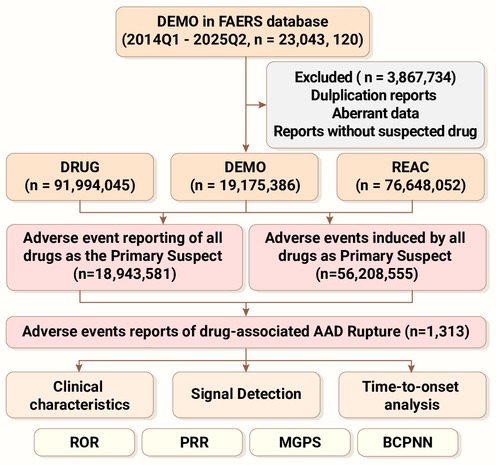
Figure 1.
Study flow chart
-
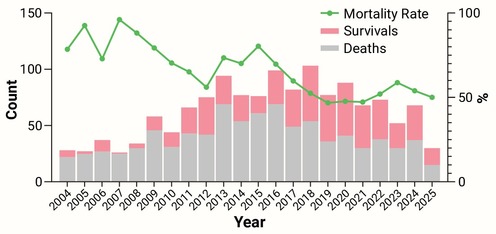
Figure 2.
Annual report distribution of drug-related AAD rupture and line chart of mortality rate from 2004Q1 to 2025Q2.
-
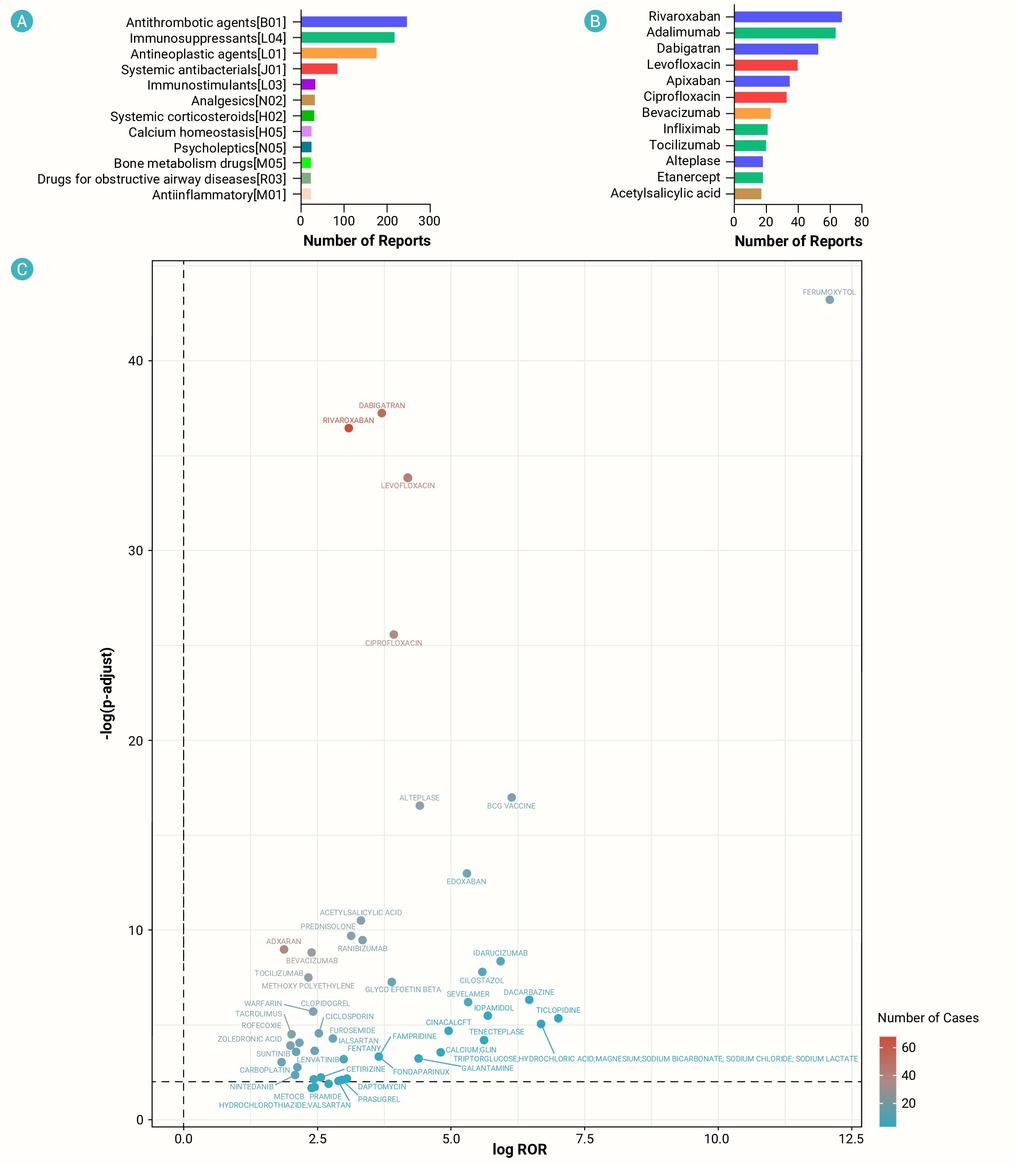
Figure 3.
Drugs associated with AAD rupture from FAERS were classified by ATC Level 2, with the top 10 drug classes (A) and individual drugs (B) ranked by report number. Volcano plot (C) showing drug signals for AAD rupture, with the display of drugs with positive ROR signals
-
Figure 4.
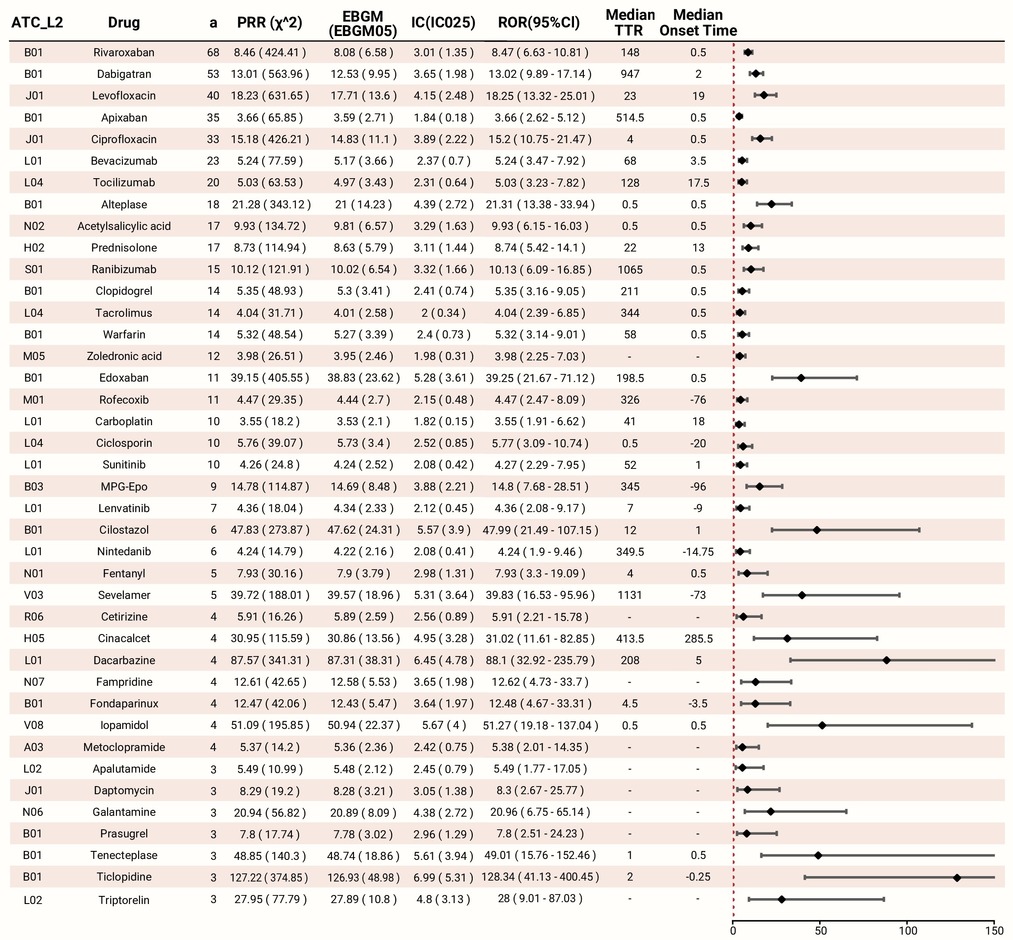
Disproportionality analysis in FAERS database
-
Figure 5.
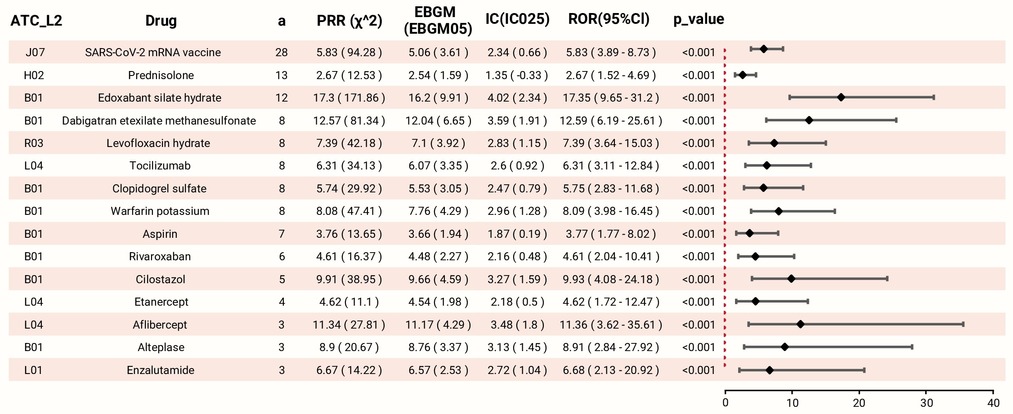
Disproportionality analysis in JADER database
-
Figure 6.
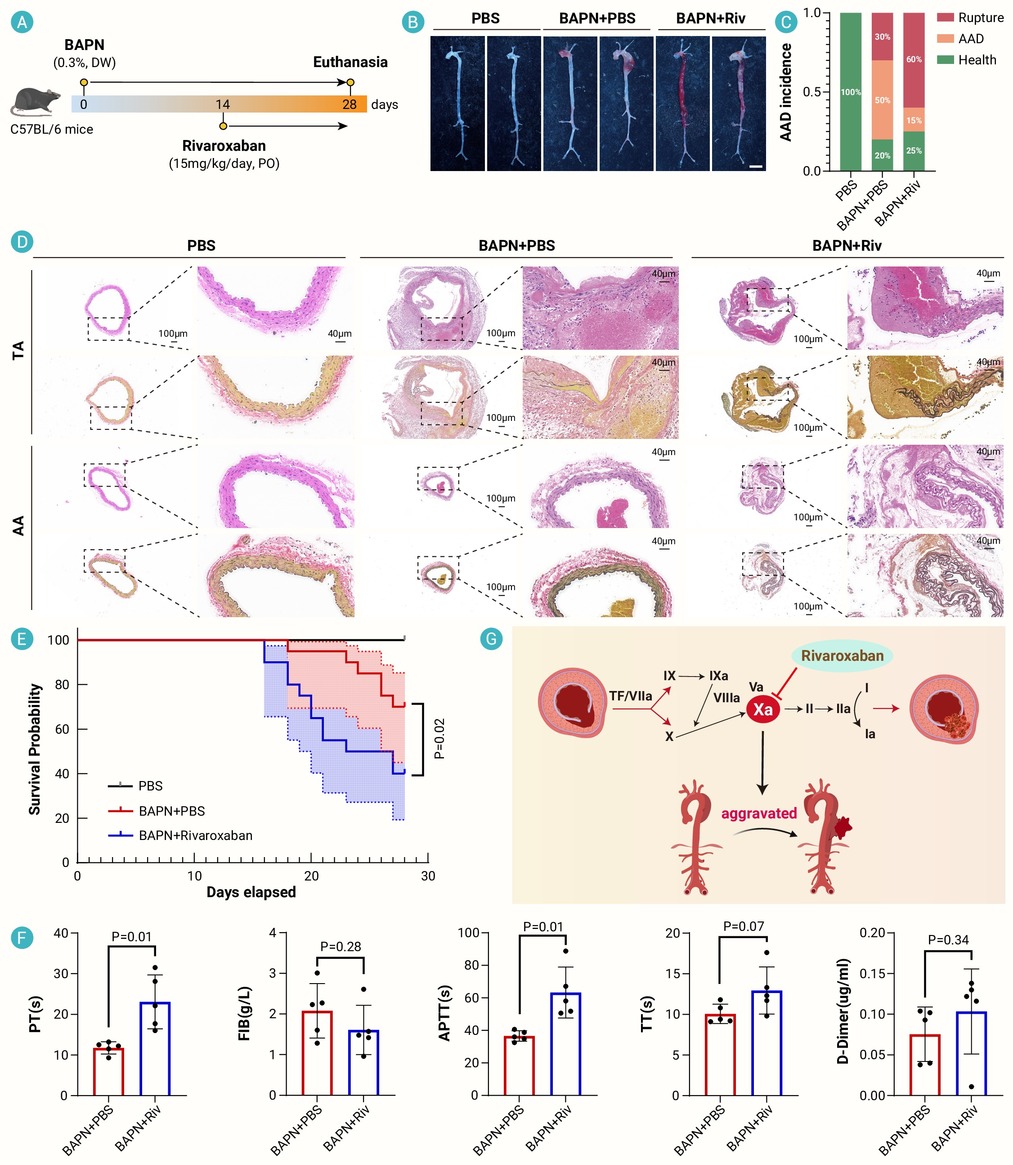
Rivaroxaban aggravates the progression and rupture of aortic dissection by inhibiting the coagulation process
