
To dissipate is to stabilize: Mechanical loss in methane hydrates
-
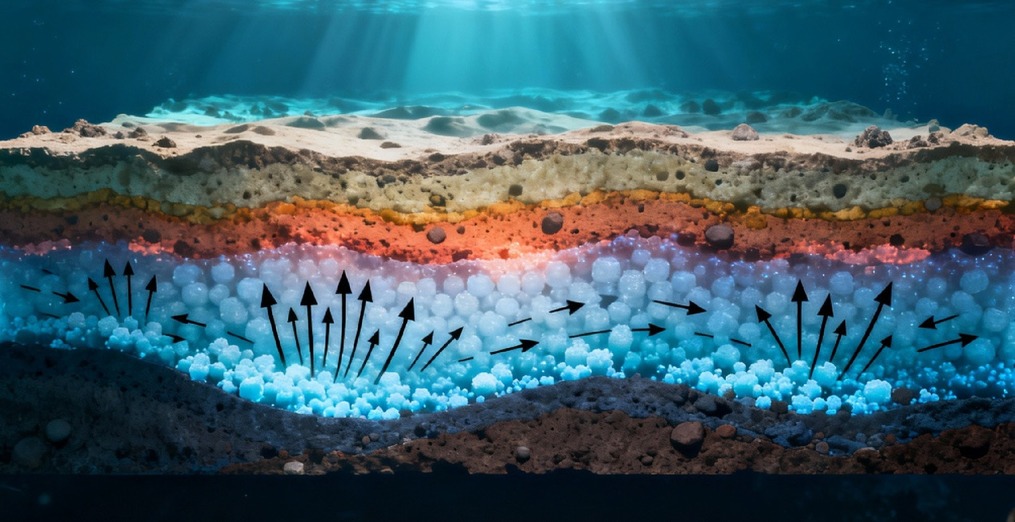
GRAPHICAL ABSTRACT
 DownLoad:
Full size image
DownLoad:
Full size image
-
PUBLIC SUMMARY
-
Controlled mechanical loss underpins the long-term integrity of methane hydrate reservoirs.
Grain size and loading frequency dictate elastoplastic fracture or viscoelastic dissipation.
Measured low-frequency limit explains exceptional natural stability.
Cage transformations and phase transitions at GBs efficiently release strain energy.
To Dissipate is to Stabilize: Mechanical Loss in Methane Hydrates
-
-
ABSTRACT
Natural gas hydrates (NGHs) represent a vast potential energy resource, yet their mechanical instability under geological or anthropogenic stresses threatens seafloor stability and poses climate risks. Using large-scale molecular dynamics simulations, we demonstrate how ultralow mechanical loss enables long-term stability in polycrystalline methane hydrates under cyclic shear. Our analysis reveals two distinct deformation regimes governed by grain size, temperature, and loading frequency. Under high-frequency, small grained methane hydrates undergo transgranular fracture, whereas large grained methane hydrates deform through elastic kink banding, maintaining structural coherence. Under low-frequency and elevated temperature conditions, which is characteristic of geological settings, the response becomes viscoelastic, with energy dissipation dominated by grain boundary activities including molecular diffusion, cage structure transformations, and sI ↔ sII phase transitions. These grain boundaries, enriched in metastable noncanonical cages, serve as dissipation hotspots where cage restructuring and phase transitions efficiently release strain energy. Crucially, the frequency-dependent mechanical loss follows the Cross model, exhibiting an ultralow loss tangent limit of 0.22 that underpins the exceptional stability of natural hydrate systems. This work establishes a molecular-to-macroscopic framework linking dissipation mechanisms to reservoir-scale stability, providing fundamental insights for assessing hydrate integrity under natural and anthropogenic perturbations. -

-
REFERENCES
[1] Sloan E. (2003). Fundamental principles and applications of natural gas hydrates. Nat. 426:353−359. DOI:10.1038/nature02135 [2] Koh C. (2002). Towards a fundamental understanding of natural gas hydrates. Chem. Soc. Rev. 31:157−167. DOI:10.1039/b008672j [3] Walsh M., Koh C., Sloan E., et al. (2009). Microsecond Simulations of Spontaneous Methane Hydrate Nucleation and Growth. Sci. 326:1095−1098. DOI:10.1126/science.1174010 [4] Jacobson L., Hujo W. and Molinero V. (2010). Amorphous Precursors in the Nucleation of Clathrate Hydrates. J. Am. Chem. Soc. 132:11806−11811. DOI:10.1021/ja1051445 [5] Cox S., Taylor D., Youngs T., et al. (2018). Formation of Methane Hydrate in the Presence of Natural and Synthetic Nanoparticles. J. Am. Chem. Soc. 140:3277−3284. DOI:10.1021/jacs.7b12050 [6] Strobel T., Hester K., Sloan E., et al. (2007). A Hydrogen Clathrate Hydrate with Cyclohexanone: Structure and Stability. J. Am. Chem. Soc. 129:9544−9545. DOI:10.1021/ja072074h [7] Kvenvolden K. (1993). Gas Hydrates - Geological Perspective and Global Change. Rev. Geophys. 31:173−187. DOI:10.1029/93rg00268 [8] Kvenvolden K. (1988). Methane Hydrate - a Major Reservoir of Carbon in the Shallow Geosphere. Chem. Geol. 71:41−51. DOI:10.1016/0009-2541(88)90104-0 [9] Lu H., Seo Y., Lee J., et al. (2007). Complex gas hydrate from the Cascadia margin. Nat. 445:303−306. DOI:10.1038/nature05463 [10] Moon C., Taylor P. and Rodger P. (2003). Molecular Dynamics Study of Gas Hydrate Formation. J. Am. Chem. Soc. 125:4706−4707. DOI:10.1021/ja028537v [11] Max M. and Clifford S. (2000). The state, potential distribution, and biological implications of methane in the Martian crust. J Geophys. Res. Planet. 105:4165−4171. DOI:10.1029/1999je001119 [12] Loveday J., Nelmes R., Guthrie M., et al. (2001). Stable methane hydrate above 2 GPa and the source of Titan's atmospheric methane. Nat. 410:661−663. DOI:10.1038/35070513 [13] Lunine J. and Stevenson D. (1985). Thermodynamics of Clathrate Hydrate at Low and High-Pressures with Application to the Outer Solar-System. Astrophys. J. Suppl. Ser. 58:493−531. DOI. DOI:10.1086/191050 [14] Phrampus B. and Hornbach M. (2012). Recent changes to the Gulf Stream causing widespread gas hydrate destabilization. Nat. 490:527−531. DOI:10.1038/nature11528 [15] Hesselbo S., Gröcke D., Jenkyns H., et al. (2000). Massive dissociation of gas hydrate during a Jurassic oceanic anoxic event. Nat. 406:392−395. DOI:10.1038/35019044 [16] Ning F., Yu Y., Kjelstrup S., et al. (2012). Mechanical properties of clathrate hydrates: status and perspectives. Energ Environ. Sci. 5:6779−6795. DOI:10.1039/c2ee03435b [17] Zhu J., Du S., Yu X., et al. (2014). Encapsulation kinetics and dynamics of carbon monoxide in clathrate hydrate. Nat. Commun. 5:4128. DOI:10.1038/ncomms5128 [18] Durham W., Kirby S., Stern L., et al. (2003). Correction to “The strength and rheology of methane clathrate hydrate”. J. Geophys. Res-Sol. Ea. 108:2182. DOI:10.1029/2003jb002534 [19] Durham W., Stern L. and Kirby S. (2003). Ductile flow of methane hydrate. Can. J. Phys. 81:373−380. DOI:10.1139/P03-042 [20] Stern L., Kirby S. and Durham W. (1998). Polycrystalline methane hydrate: Synthesis from superheated ice, and low-temperature mechanical properties. Energ. Fuel. 12:201−211. DOI:10.1021/ef970167m [21] Miyazaki K., Yamaguchi T., Sakamoto Y., et al. (2011). Time-dependent behaviors of methane-hydrate bearing sediments in triaxial compression test. International Journal of the JCRM 7:43−48. DOI:10.11187/ijjcrm.7.43 [22] Miyazaki K., Endo Y., Tenma N., et al. (2015). Constitutive Equation for Triaxial Compression Creep of Artificial Methane-Hydrate-Bearing Sand. J. of Mmij 131:47−55. DOI:10.2473/journalofmmij.131.47 [23] Miyazaki K., Tenma N. and Yamaguchi T. (2017). Relationship between Creep Property and Loading-Rate Dependence of Strength of Artificial Methane-Hydrate-Bearing Toyoura Sand under Triaxial Compression. Energies 10:1466. DOI:10.3390/en10101466 [24] Wu J., Ning F., Trinh T., et al. (2015). Mechanical instability of monocrystalline and polycrystalline methane hydrates. Nat. Commun. 6:8743. DOI:10.1038/ncomms9743 [25] Cao P., Sheng J., Wu J., et al. (2021). Mechanical creep instability of nanocrystalline methane hydrates. Phys. Chem. Chem. Phys. 23:3615−3626. DOI:10.1039/d0cp05896c [26] Wang K., Hu Y. and He J. (2012). Deformation cycles of subduction earthquakes in a viscoelastic Earth. Nat. 484:327−332. DOI:10.1038/nature11032 [27] Mitsui Y., Muramatsu H. and Tanaka Y. (2021). Slow deformation event between large intraslab earthquakes at the Tonga Trench. Sci. Rep. 11:257. DOI:10.1038/s41598-020-80728-w [28] Wang M., Barnes P., Morgan J., et al. (2023). Compactive deformation of incoming calcareous pelagic sediments, northern Hikurangi subduction margin, New Zealand: Implications for subduction processes. Earth Planet Sci. Lett. 605:118022. DOI:10.1016/j.jpgl.2023.118022 [29] Wang K. and Bilek S. (2011). Do subducting seamounts generate or stop large earthquakes. Geology 39:819−822. DOI:10.1130/g31856.1 [30] Morris S. and Jackson I. (2009). Diffusionally assisted grain-boundary sliding and viscoelasticity of polycrystals. Mech. Phys. Solids 57:744−761. DOI:10.1016/j.jmps.2008.12.006 [31] Lee L. and Morris S. (2010). Anelasticity and grain boundary sliding. P. Roy. Soc. A-Math. Phy. 466:2651−2671. DOI:10.1098/rspa.2009.0624 [32] Lee L., Morris S. J. and Wilkening J. (2011). Stress concentrations, diffusionally accommodated grain boundary sliding and the viscoelasticity of polycrystals. P. Roy. Soc. A-Math. Phy. 467:1624−1644. DOI:10.1098/rspa.2010.0447 [33] Duan C. and Wei Y. (2020). Scaling of internal dissipation of polycrystalline solids on grain-size and frequency. Acta Mater. 201:350−363. DOI:10.1016/j.actamat.2020.10.004 [34] Hirel P. (2015). Atomsk: A tool for manipulating and converting atomic data files. Comput. Phys. Commun. 197:212−219. DOI:10.1016/j.cpc.2015.07.012 [35] McMullan R. and Jeffrey G. (1965). Polyhedral Clathrate Hydrates. IX. Structure of Ethylene Oxide Hydrate. J. Chem. Phys. 42:2725−2732. DOI:10.1063/1.1703228 [36] Molinero V. and Moore E. (2009). Water Modeled As an Intermediate Element between Carbon and Silicon. J. Phys. Chem. B 113:4008−4016. DOI:10.1021/jp805227c [37] Jacobson L. and Molinero V. (2010). A Methane-Water Model for Coarse-Grained Simulations of Solutions and Clathrate Hydrates. J. Phys. Chem. B 114:7302−7311. DOI:10.1021/jp1013576 [38] Jacobson L., Hujo W. and Molinero V. (2009). Thermodynamic Stability and Growth of Guest-Free Clathrate Hydrates: A Low-Density Crystal Phase of Water. J. Phys. Chem. B 113:10298−10307. DOI:10.1021/jp903439a [39] Jacobson L., Hujo W. and Molinero V. (2010). Nucleation Pathways of Clathrate Hydrates: Effect of Guest Size and Solubility. J. Phys. Chem. B 114:13796−13807. DOI:10.1021/jp107269q [40] Nguyen A. and Molinero V. (2014). Cross-nucleation between clathrate hydrate polymorphs: Assessing the role of stability, growth rate, and structure matching. J. Chem. Phys. 140:3440. DOI:10.1063/1.4866143 [41] Liu Y., Xu K., Xu Y., et al. (2022). HTR: An ultra-high speed algorithm for cage recognition of clathrate hydrates. Nanotechnol. Rev. 11:699−711. DOI:10.1515/ntrev-2022-0044 [42] Shi Q., Lin Z., Qu Y., et al. (2024). HTR plus : a novel algorithm for identifying type and polycrystal of gas hydrates. J. Phys-Condens. Mat. 36:365901. DOI:10.1088/1361-648X/ad52df [43] Walsh M., Rainey J., Lafond P., et al. (2011). The cages, dynamics, and structuring of incipient methane clathrate hydrates. Phys. Chem. Chem. Phys. 13:19951−19959. DOI:10.1039/c1cp21899a [44] Xu K., Ma R., Qu Y., et al. (2025). Grain boundary strength in methane hydrates. Pet. Sci. 22:5268−5276. DOI:10.1016/j.petsci.2025.10.018 [45] Li X., Huang J., Xiong K., et al. (2025). CO2 sequestration trade-offs in polycrystalline hydrate stability. CN 4. DOI:10.1007/s43979-025-00151-w. [46] Peng Y., Liu H., Xin Y., et al. (2021). Rheological conductor from liquid metal-polymer composites. Matter 4:3001−3014. DOI:10.1016/j.matt.2021.06.046 [47] Luo W., Wang C., Hu X., et al. (2012). Long-Term Creep Assessment of Viscoelastic Polymer by Time-Temperature-Stress Superposition. Acta Mech. Solida Sin. 25:571−578. DOI:10.1016/S0894-9166(12)60052-4 [48] Ding Y. and Sokolov A. (2006). Breakdown of time-temperature superposition principle and universality of chain dynamics in polymers. Macromolecules 39:3322−3326. DOI:10.1021/ma052607b [49] Krauklis A., Akulichev A., Gagani A., et al. (2019). Time-Temperature-Plasticization Superposition Principle: Predicting Creep of a Plasticized Epoxy. Polymers 11:1848. DOI:10.3390/polym11111848 [50] Xie J. and Jin Y. (2016). Parameter determination for the Cross rheology equation and its application to modeling non-Newtonian flows using the WC-MPS method. Eng. Appl. Comp. Fluid. 10:111−129. DOI:10.1080/19942060.2015.1104267 [51] Hauswirth S., Bowers C., Fowler C., et al. (2020). Modeling cross model non-Newtonian fluid flow in porous media. J. Contam. Hydrol. 235:103708. DOI:10.1016/j.jconhyd.2020.103708 [52] Hafeez A., Yasir M., Khan M., et al. (2021). Buoyancy effect on the chemically reactive flow of Cross nanofluid over a shrinking surface: Dual solution. Int. Commun. Heat. Mass. 126:105438. DOI:10.1016/j.icheatmasstransfer.2021.105438 [53] Nowick A. and Berry B. (1972). Anelastic relaxation in crystalline solids (Academic Press). [54] Jackson I., Faul U., Fitz Gerald J., et al. (2006). Contrasting viscoelastic behavior of melt-free and melt-bearing olivine: Implications for the nature of grain-boundary sliding. Mat. Sci. Eng. A-Struct. 442:170−174. DOI:10.1016/j.msea.2006.01.136 [55] Barnhoorn A., Jackson I., Gerald J., et al. (2007). Suppression of elastically accommodated grain-boundary sliding in high-purity MgO. J. Eur. Ceram. Soc. 27:4697−4703. DOI:10.1016/j.jeurceramsoc.2007.04.005 [56] Pezzotti G., Kleebe H. and Ota K. (1998). Grain-boundary viscosity of polycrystalline silicon carbides. J. Am. Ceram. Soc. 81:3293−3299. DOI:10.1111/j.1151-2916.1998.tb02770.x [57] Pezzotti G., Kleebe H., Ota K., et al. (2005). Suppression of Viscous Grain‐Boundary Sliding in a Dilute SiAION Ceramic. J. Am. Ceram. Soc. 80:2349−2354. DOI:10.1111/j.1151-2916.1997.tb03126.x [58] Mosher D. and Raj R. (1974). Use of the internal friction technique to measure rates of grain boundary sliding. Acta Metall. 22:1469−1474. DOI:10.1016/0001-6160(74)90108-4 [59] Kim B., Hiraga K. and Morita K. (2005). Viscous grain-boundary sliding and grain rotation accommodated by grain-boundary diffusion. Acta Materialia 53:1791−1798. DOI:10.1016/j.actamat.2004.12.028 [60] Liu J., Fu R., Lin Y., et al. (2022). Mechanical Destabilization and Cage Transformations in Water Vacancy-Contained CO Hydrates. Acs Sustainable Chem. Eng. 10:10339−10350. DOI:10.1021/acssuschemeng.2c03072 [61] Bulatov V., Hsiung L., Tang M., et al. (2006). Dislocation multi-junctions and strain hardening. Nat. 440:1174−1178. DOI:10.1038/nature04658 [62] Sendrowicz A., Myhre A., Danyuk A., et al. (2022). Dislocation kinetics explains energy partitioning during strain hardening: Model and experimental validation by infrared thermography and acoustic emission. Mat. Sci. Eng. A-Struct. 856:143969. DOI:10.1016/j.msea.2022.143969 [63] Freund L. (1994). The Mechanics of Dislocations in Strained-Layer Semiconductor-Materials. Adv. Appl. Mech. 30:1−66. DOI:10.1016/S0065-2156(08)70173-X [64] Li C., Liu K., Jiang D., et al. (2023). Pressure‐Driven Polymorphic Transition, Emergent Insulator‐To‐Metal Transition, and Photoconductivity Switching in Violet Phosphorus. Small 20:e2306758. DOI:10.1002/smll.202306758 [65] Wu K., Yang Y. and Gao L. (2020). A review on phase transition and structure-performance relationship of second-order nonlinear optical polymorphs. Coord. Chem. Rev. 418:213380. DOI:10.1016/j.ccr.2020.213380 [66] Chou I., Sharma A., Burruss R., et al. (2000). Transformations in methane hydrates. Proc. Natl. Acad. Sci. 97:13484−13487. DOI:10.1073/pnas.250466497 [67] Ikeda T. and Terakura K. (2003). Structural transformation of methane hydrate from cage clathrate to filled ice. J. Chem. Phys. 119:6784−6788. DOI:10.1063/1.1606437 [68] Sun Q., Duan T., Zheng H., et al. (2005). Phase transformation of methane hydrate under high pressure. J. Chem. Phys. 122:024714. DOI:10.1063/1.1830411 [69] Tanaka T., Hirai H., Matsuoka T., et al. (2013). Phase changes of filled ice Ih methane hydrate under low temperature and high pressure. J. Chem. Phys. 139:104701. DOI:10.1063/1.4820358 [70] Kadobayashi H., Hirai H., Ohfuji H., et al. (2020). Structural evolution of methane hydrate under pressures up to 134 GPa. J. Chem. Phys. 152:194308. DOI:10.1063/5.0007511 [71] Halpern Y., Thieu V., Henning R., et al. (2001). Time-resolved in situ neutron diffraction studies of gas hydrate: Transformation of structure II (sII) to structure I (sI). J. Am. Chem. Soc. 123:12826−12831. DOI:10.1021/ja010280y [72] Schicks J., Naumann R., Erzinger J., et al. (2006). Phase transitions in mixed gas hydrates: Experimental observations versus calculated data. J. Phys. Chem. B 110:11468−11474. DOI:10.1021/jp0612580 [73] Montassar S. and de Buhan P. (2006). A numerical model to investigate the effects of propagating liquefied soils on structures. Comput. Geotech. 33:108−120. DOI:10.1016/j.compgeo.2006.02.003 [74] Marr J., Elverh$i A., Harbitz C., et al. (2002). Numerical simulation of mud-rich subaqueous debris flows on the glacially activemargins of the Svalbard–Barentssea. Mar. Geol. 188:351−364. DOI:10.1016/S0025-3227(02)00310-9 [75] Luna B., Remaître A., van Asch T., et al. (2012). Analysis of debris flow behavior with a one dimensional run-out model incorporating entrainment. Eng. Geol. 128:63−75. DOI:10.1016/j.enggeo.2011.04.007 [76] Hadush S., Yashima A., Uzuoka R., et al. (2001). Liquefaction induced lateral spread analysis using the CIPmethod. Comput. Geotech. 28:549−574. DOI:10.1016/S0266-352X(01)00016-7 [77] Geertsema M., Hungr O., Schwab J., et al. (2006). A large rockslide–debris avalanche in cohesive soil at Pink Mountain, northeastern British Columbia, Canada. Eng. Geol. 83:64−75. DOI:10.1016/j.enggeo.2005.06.025 [78] Hafeez S., Decarli M., Aldana A., et al. (2023). In Situ Covalent Reinforcement of a Benzene-1,3,5-Tricarboxamide Supramolecular Polymer Enables Biomimetic, Tough, and Fibrous Hydrogels and Bioinks. Adv. Mater. 35:e2301242. DOI:10.1002/adma.202301242 [79] Deng J., Bai R., Zhao J., et al. (2023). Insights into the Correlation of Cross-linking Modes with Mechanical Properties for Dynamic Polymeric Networks. Angew. Chem. Int. Edit. 62:e202309058. DOI:10.1002/anie.202309058 [80] Liu Y., Wan J., Zhao X., et al. (2023). Highly Strong and Tough Supramolecular Polymer Networks Enabled by Cryptand-Based Host-Guest Recognition. Angew. Chem. Int. Ed. 62:e202302370. DOI:10.1002/anie.202302370 -
ABOUT THIS ARTICLE
Cite this article:
Qu Y., Shi Q., Luo G., et al. (2026). To dissipate is to stabilize: Mechanical loss in methane hydrates. The Innovation Energy 3:100157. https://doi.org/10.59717/j.xinn-energy.2026.100157
Welcome!
To request copyright permission to republish or share portions of our works, please visit Copyright Clearance Center's (CCC) Marketplace website at marketplace.copyright.com.
Export File
Citation
Qu Y., Shi Q., Luo G., et al. (2026). To dissipate is to stabilize: Mechanical loss in methane hydrates. The Innovation Energy 3:100157. https://doi.org/10.59717/j.xinn-energy.2026.100157

Format
Content
-
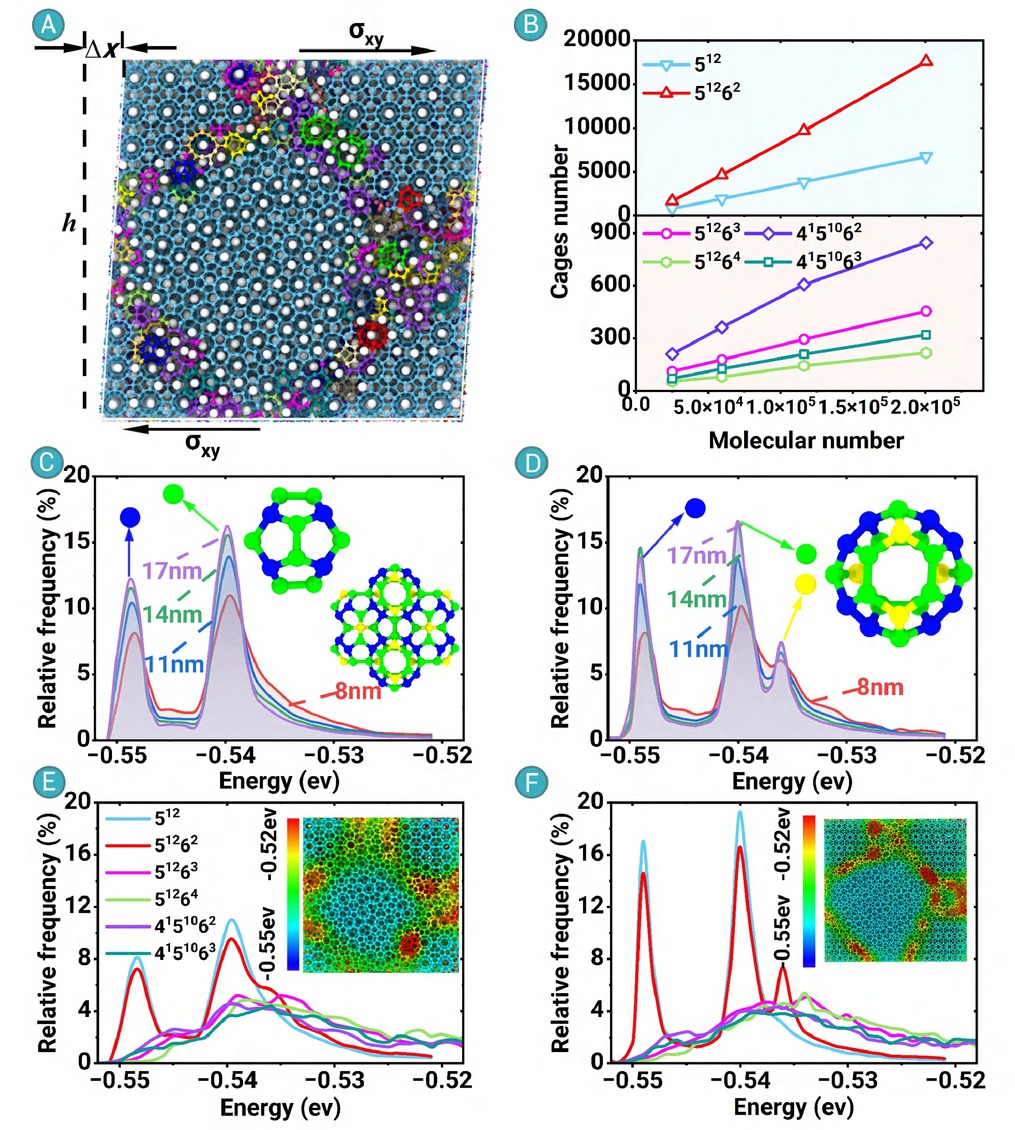
Figure 1.
Distribution profiles of potential energy of water molecules (Ew) in polycrystalline methane hydrates (PMHs)
-
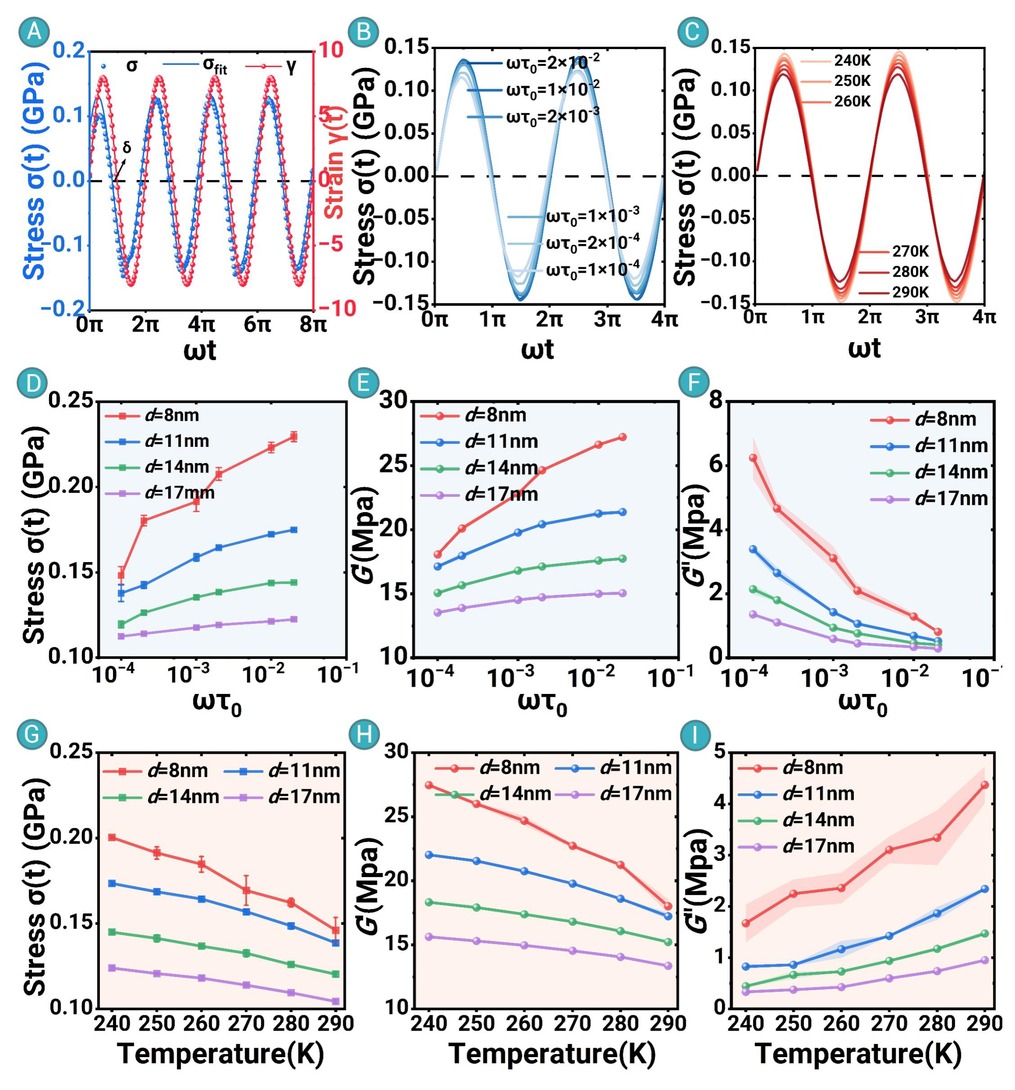
Figure 2.
Dynamic mechanical properties of polycrystalline methane hydrates (PMHs)
-
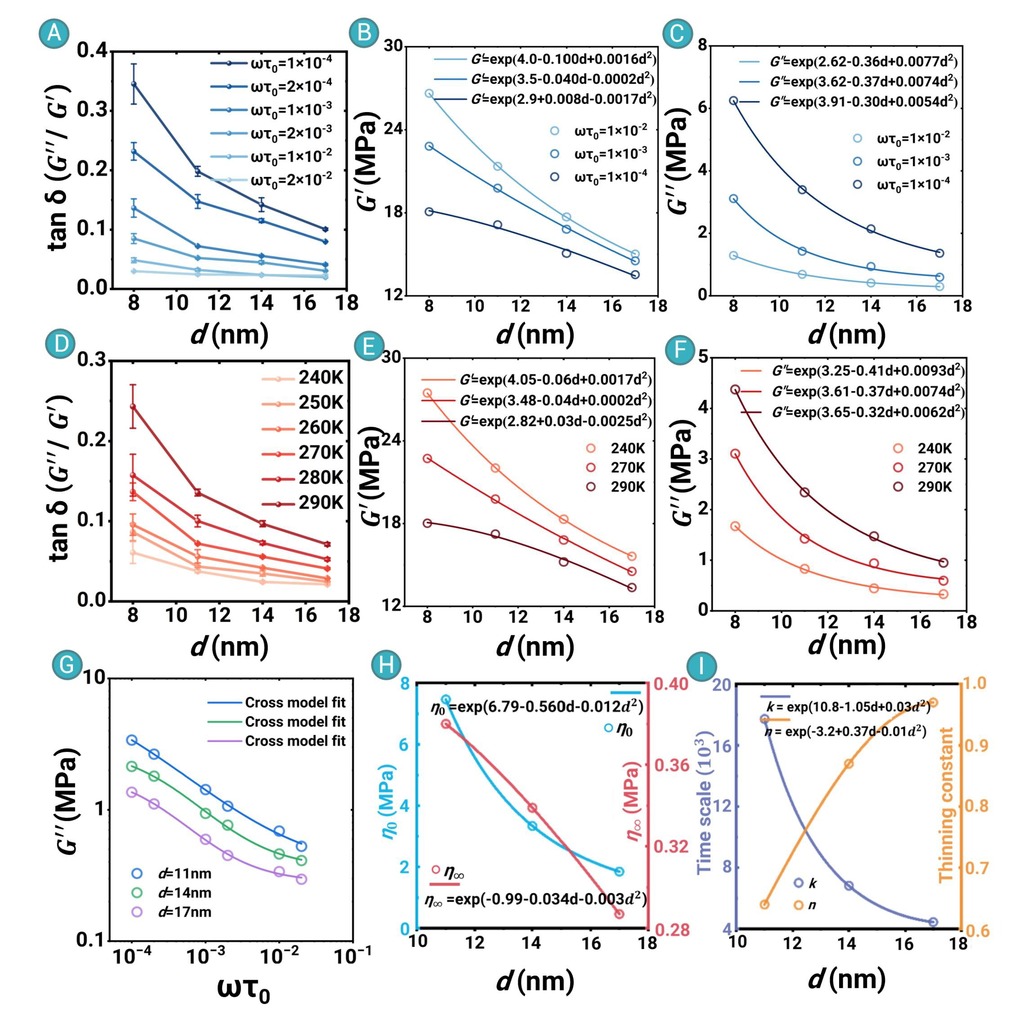
Figure 3.
Relationship between dynamic moduli and d in PMHs
-
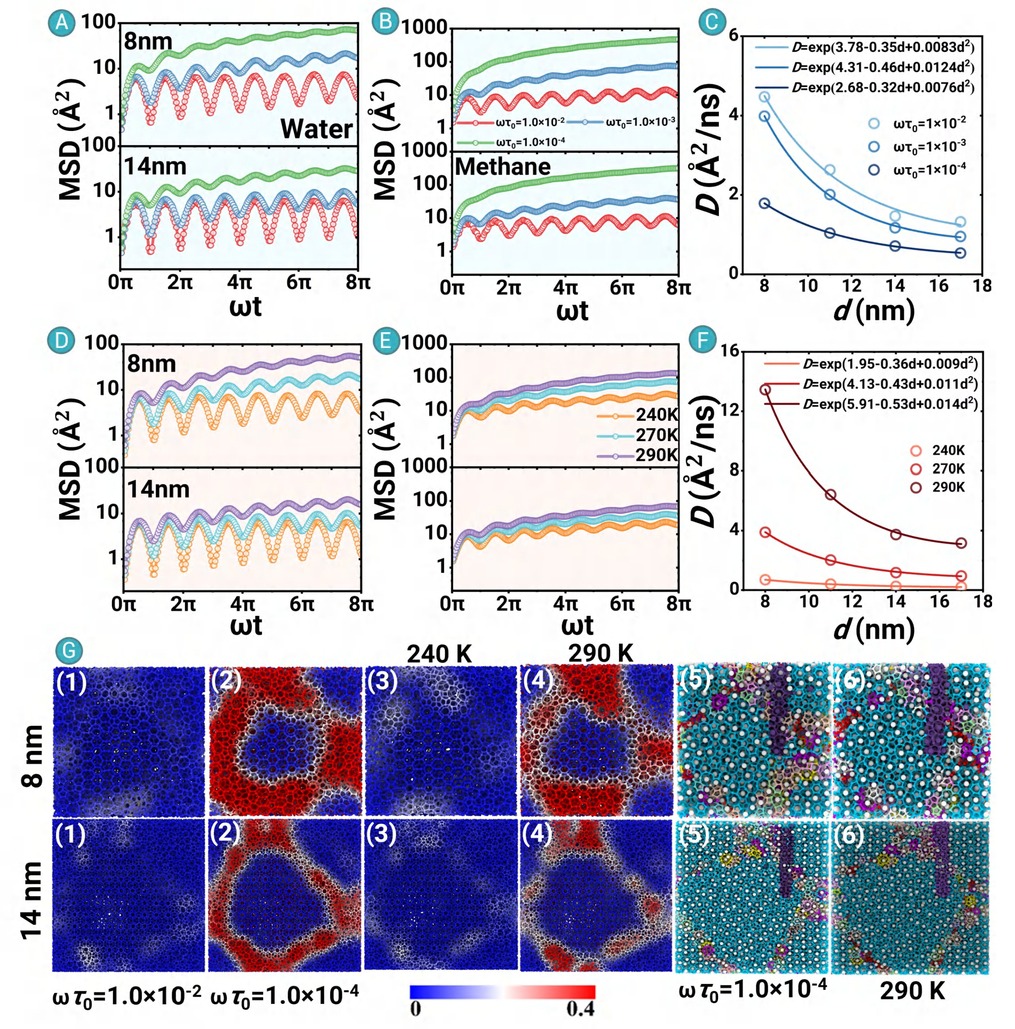
Figure 4.
Molecular diffusions in polycrystalline methane hydrates
-
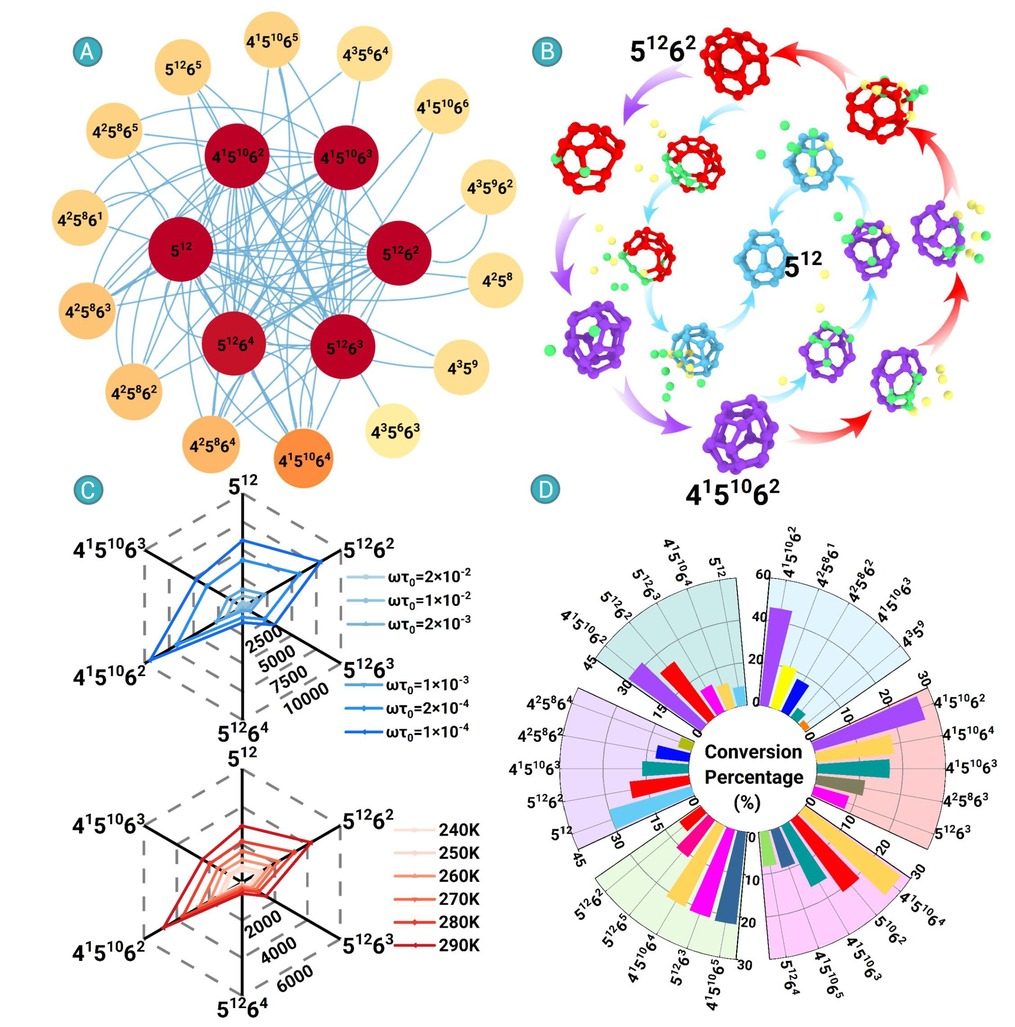
Figure 5.
Structure transformations between clathrate cages in polycrystalline methane hydrates
-
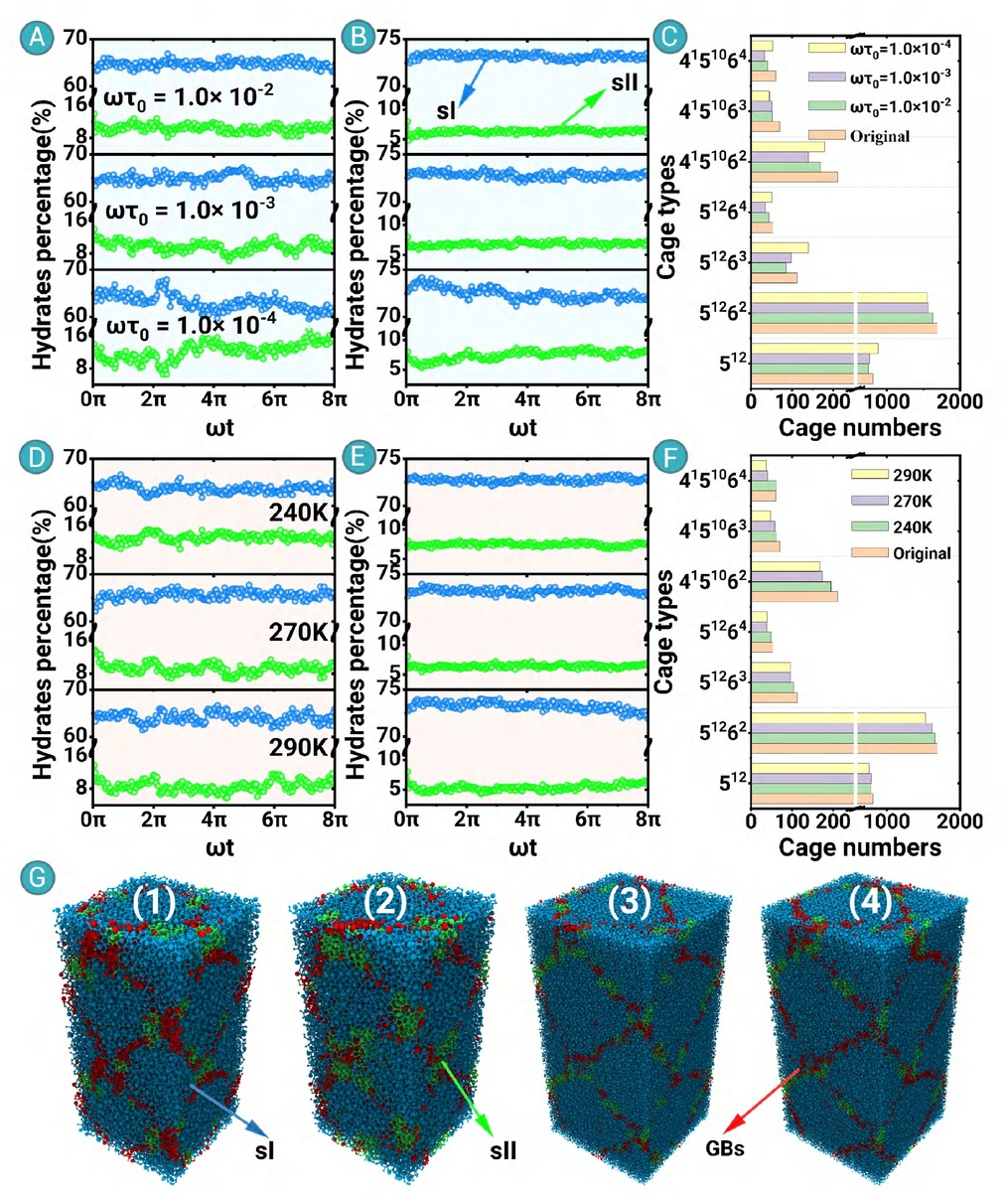
Figure 6.
Microstructure changes in polycrystalline methane hydrates subjected to cyclic shear loads
-
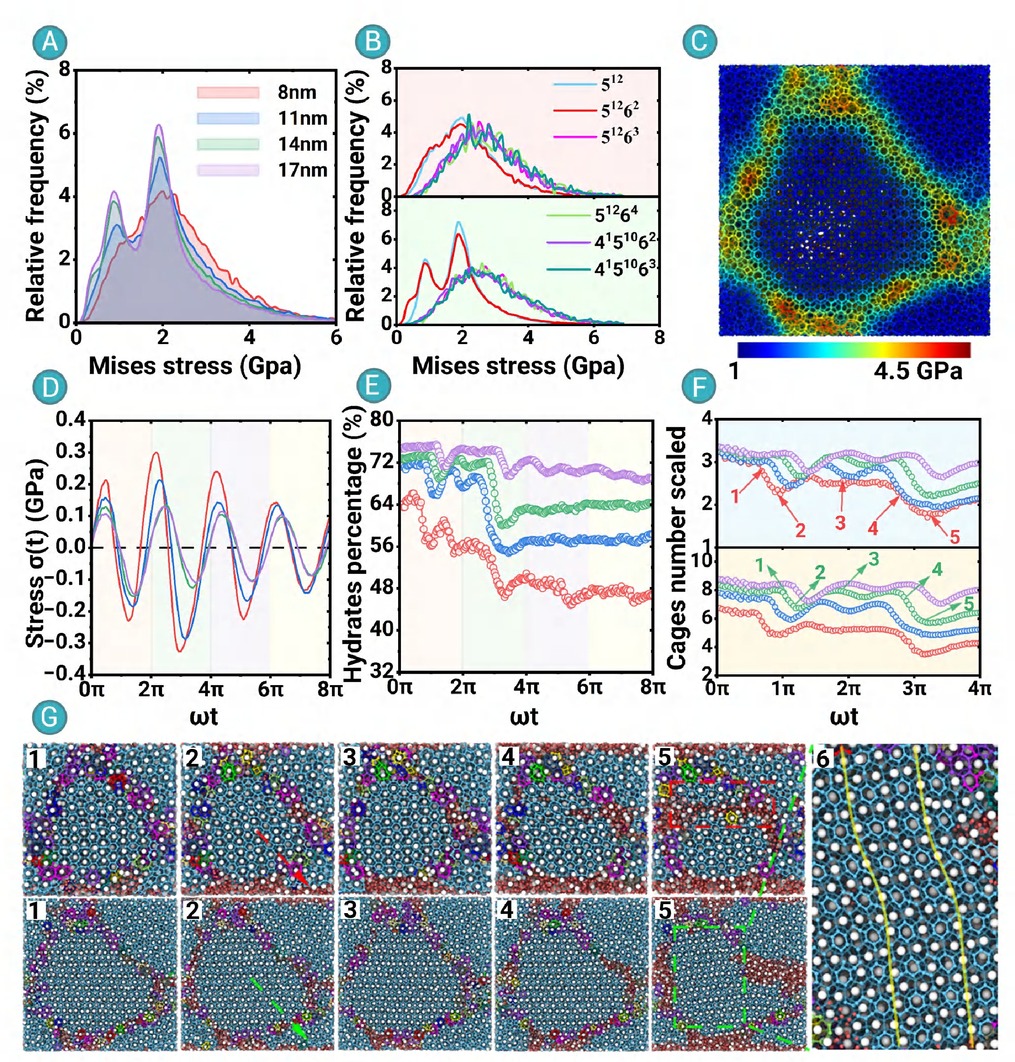
Figure 7.
Dynamic mechanical properties and microstructural evolution of polycrystalline methane hydrates (PMHs)
-
Figure 8.
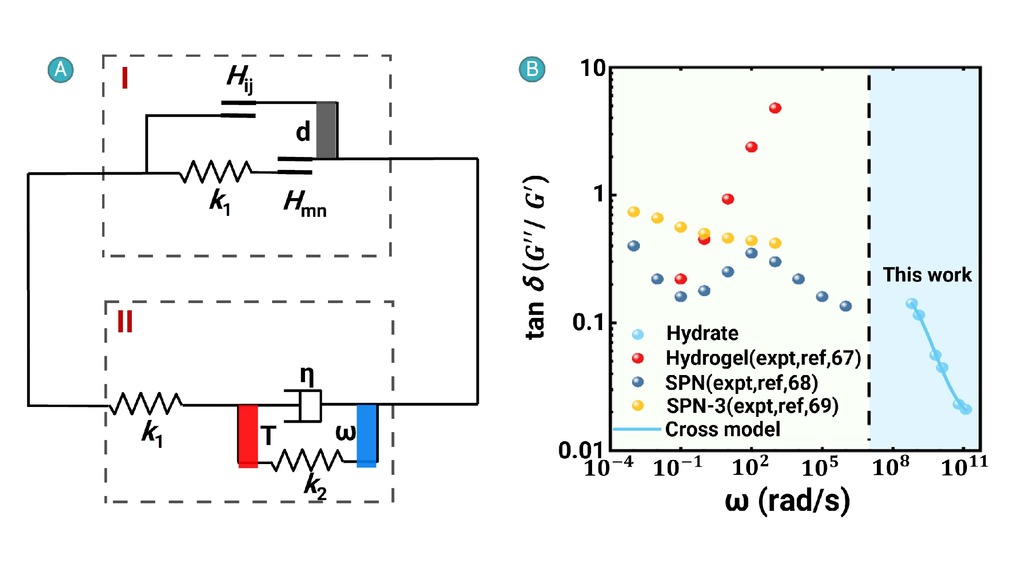
(A) Schematic of mechanical model for PMHs. Two mechanical modes are defined: Mode I (high-frequency, ωτ0 ≈ 0.1), represented by a parallel elastic-plastic model capturing solid-like elasto-plastic response; and Mode II (low-frequency, ωτ0 < 0.02), incorporating viscous elements to describe viscoelastic deformation with enhanced time-dependent processes. k1 and k2 represent the elastic modulus of the grains and the GBs of PMHs, respectively. η is the coefficient of viscosity at the GBs. Hij and Hmn are the initial frictional resistance of the grains and the GBs, respectively. d and T represent the grain size and temperature. ω represents the frequency. (B) Loss tangent frequency spectrum of PMHs, as well as other materials including supramolecular hydrogel,78 SPN,79 and SPN-3.80
