
Event-related EEG microstate complexity reveals specific brain network connectivity during aesthetic perception in depression
-
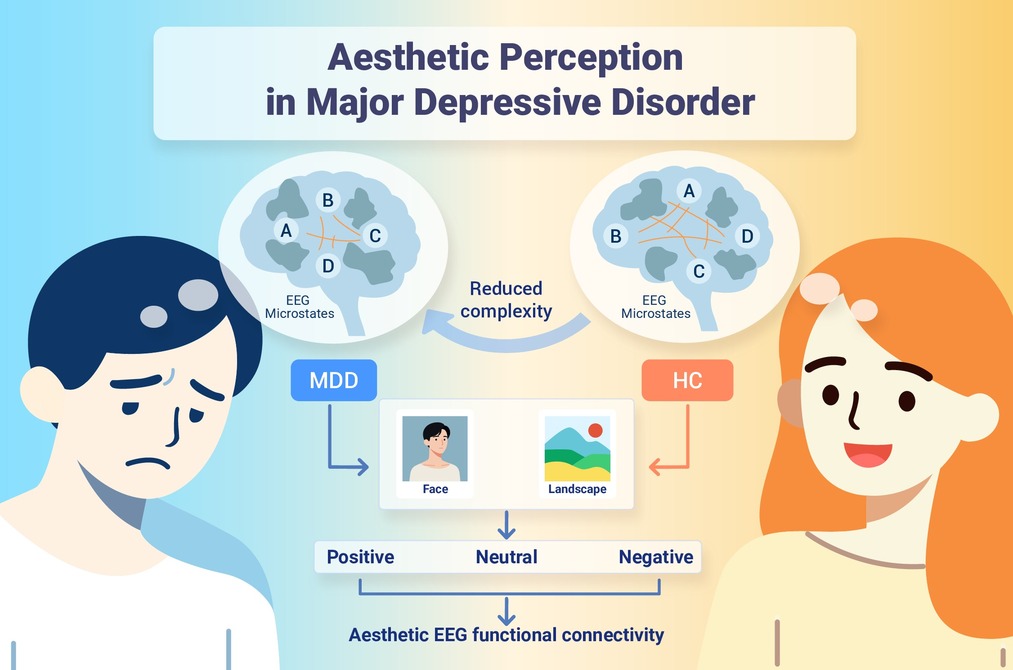
GRAPHICAL ABSTRACT
 DownLoad:
Full size image
DownLoad:
Full size image
-
PUBLIC SUMMARY
-
Patients with major depressive disorder (MDD) show altered brain activity patterns during visual aesthetics.
Electroencephalography (EEG) microstates reveal reduced frontal control and increased posterior activity in MDD.
MDD shows abnormal timing and complexity of brain states, suggesting reduced flexibility in processing images.
These EEG features may help identify depression and support treatment monitoring in the future.
-
-
ABSTRACT
Visual aesthetic experience recruits distributed brain networks encompassing perceptual, emotional, and cognitive processes. Individuals with major depressive disorder (MDD) often exhibit altered aesthetic preferences, typically biased toward negative stimuli, yet the underlying neural dynamics remain poorly understood. In this study, 25 patients with MDD and 27 healthy controls (HCs) were recruited and performed image-based aesthetic processing tasks while the EEG signals were collected using a 32-channel system. EEG microstate was obtained by iterative clustering and the duration, occurrence, coverage, Lempel-Ziv complexity, and functional connectivity were calculated and analyzed. Significant alterations in both the spatial and temporal characteristics of EEG microstates were observed in the MDD group. Specifically, individuals with MDD showed increased occurrence and coverage of microstates associated with posterior visual processing, and reduced coverage and duration of those linked to right prefrontal executive control networks. These findings suggest a general functional shift from higher-order cognitive regulation toward lower-level sensory processing across stimulus types. Notably, microstate transitions were less dynamic in individuals with MDD, indicating lower information entropy and a decreased frequency of microstate switching. Moreover, MDD patients exhibited prolonged engagement of anterior microstates, potentially reflecting sustained activation of self-referential and affective regulatory circuits, including the anterior cingulate cortex (ACC), independent of executive-control-associated networks. Functional connectivity analysis further revealed altered anterior–posterior coupling and disrupted integration within the fronto-central regions, which are considered critical for emotional appraisal. These findings suggest that MDD alters the balance between perceptual and regulatory networks during aesthetic processing, which may underlie the negative aesthetic preferences often observed in depression. Our study highlights EEG microstate analysis as a sensitive tool for capturing neural signatures of aesthetic experience and offers new insights into the dysfunctional brain dynamics associated with MDD. These results provide a foundation for developing neurophysiological markers and targeted interventions to modulate aesthetic-related brain activity in depressive disorders. -

-
REFERENCES
[1] Pascual-Marqui R. D., Michel C. M. and Lehmann D. (1995). Segmentation of brain electrical activity into microstates: Model estimation and validation. IEEE Trans. Biomed. Eng. 42:658−665. DOI:10.1109/10.391164 [2] Wu C., Mu Q., Gao W., et al. (2025). The characteristics of anhedonia in depression: A review from a clinically oriented perspective. Transl. Psychiatry 15:90. DOI:10.1038/s41398-025-03310-w [3] McCrae R. R. (2024). A volitional account of aesthetic experience. Front. Psychol. 15:1480304. DOI:10.3389/fpsyg.2024.1480304 [4] Chen Z., Wang Z., Shen Y., et al. (2023). Face-specific negative bias of aesthetic perception in depression: Behavioral and EEG evidence. Front. Psychiatry 14:1102843. DOI:10.3389/fpsyt.2023.1102843 [5] Fan H., Li Q., Du Y., et al. (2024). Relationship of prefrontal cortex activity with anhedonia and cognitive function in major depressive disorder: An fNIRS study. Front. Psychiatry 15:1428425. DOI:10.3389/fpsyt.2024.1428425 [6] Kawabata H. and Zeki S. (2004). Neural correlates of beauty. J. Neurophysiol 91:1699−1705. DOI:10.1152/jn.00696.2003 [7] Salimpoor V. N., Benovoy M., Larcher K., et al. (2011). Anatomically distinct dopamine release during anticipation and experience of peak emotion to music. Nat. Neurosci. 14:257−262. DOI:10.1038/nn.2726 [8] Chib V. S., Rangel A., Shimojo S., et al. (2009). Evidence for a common representation of decision values for dissimilar goods in human ventromedial prefrontal cortex. J. Neurosci. 29:12315−12320. DOI:10.1523/jneurosci.2575-09.2009 [9] Lebreton M., Jorge S., Michel V., et al. (2009). An automatic valuation system in the human brain: Evidence from functional neuroimaging. Neuron 64:431−439. DOI:10.1016/j.neuron.2009.09.040 [10] Hoenen M., Lübke K. T. and Pause B. M. (2017). Sensitivity of the human mirror neuron system for abstract traces of actions: An EEG-study. Biol. Psychol. 124:57−64. DOI:10.1016/j.biopsycho.2017.01.010 [11] Jacobsen T., Schubotz R. I., Höfel L., et al. (2006). Brain correlates of aesthetic judgment of beauty. Neuroimage 29:276−285. DOI:10.1016/j.neuroimage.2005.07.010 [12] Brown S., Gao X., Tisdelle L., et al. (2011). Naturalizing aesthetics: Brain areas for aesthetic appraisal across sensory modalities. Neuroimage 58:250−258. DOI:10.1016/j.neuroimage.2011.06.012 [13] Ishizu T. and Zeki S. (2011). Toward a brain-based theory of beauty. PLoS One 6:e21852. DOI:10.1371/journal.pone.0021852 [14] Nadal M. and Pearce M. T. (2011). The Copenhagen neuroaesthetics conference: Prospects and pitfalls for an emerging field. Brain Cogn. 76:172−183. DOI:10.1016/j.bandc.2011.01.009 [15] Ferenczi E. A., Zalocusky K. A., Liston C., et al. (2016). Prefrontal cortical regulation of brainwide circuit dynamics and reward-related behavior. Science 351:aac9698. DOI:10.1126/science.aac9698 [16] Vessel E. A., Starr G. G. and Rubin N. (2012). The brain on art: Intense aesthetic experience activates the default mode network. Front. Hum. Neurosci. 6:66. DOI:10.3389/fnhum.2012.00066 [17] Vessel E. A., Starr G. G. and Rubin N. (2013). Art reaches within: Aesthetic experience, the self and the default mode network. Front. Neurosci. 7:258. DOI:10.3389/fnins.2013.00258 [18] Vartanian O. and Skov M. (2014). Neural correlates of viewing paintings: Evidence from a quantitative meta-analysis of functional magnetic resonance imaging data. Brain Cogn. 87:52−56. DOI:10.1016/j.bandc.2014.03.004 [19] Kirk U., Skov M., Christensen M. S., et al. (2009). Brain correlates of aesthetic expertise: A parametric fMRI study. Brain Cogn. 69:306−315. DOI:10.1016/j.bandc.2008.08.004 [20] Aalbers S., Fusar-Poli L., Freeman R. E., et al. (2017). Music therapy for depression. Cochrane Database Syst. Rev. 11:Cd004517. DOI:10.1002/14651858.CD004517.pub3 [21] Wang X., Huang W., Liu S., et al. (2024). Music therapy for depression: A narrative review. Brain‐X 2:e72. DOI:10.1002/brx2.72 [22] Shukla A., Choudhari S. G., Gaidhane A. M., et al. (2022). Role of art therapy in the promotion of mental health: A critical review. Cureus 14:e28026. DOI:10.7759/cureus.28026 [23] Fancourt D. and Finn S. (2019). WHO health evidence network synthesis reports. In what is the evidence on the role of the arts in improving health and well-being? A scoping review, (WHO regional office for europe© world health organization 2019). https://www.ncbi.nlm.nih.gov/books/NBK553773/. [24] Michel C. M. and Koenig T. (2018). EEG microstates as a tool for studying the temporal dynamics of whole-brain neuronal networks: A review. Neuroimage 180:577−593. DOI:10.1016/j.neuroimage.2017.11.062 [25] Battle D. E. (2013). Diagnostic and statistical manual of mental disorders (DSM). Codas 25:191−192. DOI:10.1590/s2317-17822013000200017 [26] Smarr K. L. and Keefer A. L. (2011). Measures of depression and depressive symptoms: Beck depression inventory-II (BDI-II), center for epidemiologic studies depression scale (CES-D), geriatric depression scale (GDS), hospital anxiety and depression scale (HADS), and patient health questionnaire-9 (PHQ-9). Arthritis Care Res. (Hoboken) 63:S454−466. DOI:10.1002/acr.20556 [27] Si Y., Jiang L., Tao Q., et al. (2019). Predicting individual decision-making responses based on the functional connectivity of resting-state EEG. J. Neural Eng. 16:066025. DOI:10.1088/1741-2552/ab39ce [28] Nolte G., Bai O., Wheaton L., et al. (2004). Identifying true brain interaction from EEG data using the imaginary part of coherency. Clin. Neurophysiol 115:2292−2307. DOI:10.1016/j.clinph.2004.04.029 [29] Bouchard M., Lina J. M., Gaudreault P. O., et al. (2020). EEG connectivity across sleep cycles and age. Sleep 43. DOI:10.1093/sleep/zsz236 [30] Xia M., Wang J. and He Y. (2013). BrainNet viewer: A network visualization tool for human brain connectomics. PLoS One 8:e68910. DOI:10.1371/journal.pone.0068910 [31] Britz J., Van De Ville D. and Michel C. M. (2010). BOLD correlates of EEG topography reveal rapid resting-state network dynamics. Neuroimage 52:1162−1170. DOI:10.1016/j.neuroimage.2010.02.052 [32] Damborská A., Tomescu M. I., Honzírková E., et al. (2019). EEG resting-state large-scale brain network dynamics are related to depressive symptoms. Front. Psychiatry 10:548. DOI:10.3389/fpsyt.2019.00548 [33] Northoff G. and Hayes D. J. (2011). Is our self nothing but reward. Biol. Psychiatry 69:1019−1025. DOI:10.1016/j.biopsych.2010.12.014 [34] Disner S. G., Beevers C. G., Haigh E. A., et al. (2011). Neural mechanisms of the cognitive model of depression. Nat. Rev. Neurosci. 12:467−477. DOI:10.1038/nrn3027 [35] Naghavi H. R. and Nyberg L. (2005). Common fronto-parietal activity in attention, memory, and consciousness: Shared demands on integration. Conscious Cogn. 14:390−425. DOI:10.1016/j.concog.2004.10.003 [36] Lei L., Liu Z., Zhang Y., et al. (2022). EEG microstates as markers of major depressive disorder and predictors of response to SSRIs therapy. Prog. Neuropsychopharmacol Biol. Psychiatry 116:110514. DOI:10.1016/j.pnpbp.2022.110514 [37] Zhou Y., Gong L., Yang Y., et al. (2023). Spatio-temporal dynamics of resting-state brain networks are associated with migraine disability. J. Headache Pain 24:13. DOI:10.1186/s10194-023-01551-y [38] Chatterjee A. and Vartanian O. (2014). Neuroaesthetics. Trends Cogn. Sci. 18:370−375. DOI:10.1016/j.tics.2014.03.003 [39] Rolls E. T. (2016). A non-reward attractor theory of depression. Neurosci. Biobehav. Rev. 68:47−58. DOI:10.1016/j.neubiorev.2016.05.007 [40] Carballedo A., Scheuerecker J., Meisenzahl E., et al. (2011). Functional connectivity of emotional processing in depression. J. Affect. Disord. 134:272−279. DOI:10.1016/j.jad.2011.06.021 [41] Gotlib I. H. and Joormann J. (2010). Cognition and depression: Current status and future directions. Annu. Rev. Clin. Psychol. 6:285−312. DOI:10.1146/annurev.clinpsy.121208.131305 [42] Copeland J. R. M. (1970). Depression: Clinical, experimental and theoretical aspects. By Aaron T. Beck. London: Staples Press. 1969. Pp. 370. Price 65s. British Journal of Psychiatry 116:562-563. DOI:10.1192/bjp.116.534.562 [43] Davidson R. J., Lewis D. A., Alloy L. B., et al. (2002). Neural and behavioral substrates of mood and mood regulation. Biol. Psychiatry 52:478−502. DOI:10.1016/s0006-3223(02)01458-0 [44] Mayberg H. S., Lozano A. M., Voon V., et al. (2005). Deep brain stimulation for treatment-resistant depression. Neuron 45:651−660. DOI:10.1016/j.neuron.2005.02.014 [45] Greicius M. D., Flores B. H., Menon V., et al. (2007). Resting-state functional connectivity in major depression: Abnormally increased contributions from subgenual cingulate cortex and thalamus. Biol. Psychiatry 62:429−437. DOI:10.1016/j.biopsych.2006.09.020 [46] Whitfield-Gabrieli S. and Ford J. M. (2012). Default mode network activity and connectivity in psychopathology. Annu. Rev. Clin. Psychol. 8:49−76. DOI:10.1146/annurev-clinpsy-032511-143049 [47] Rock P. L., Roiser J. P., Riedel W. J., et al. (2014). Cognitive impairment in depression: A systematic review and meta-analysis. Psychological Medicine 44:2029−2040. DOI:10.1017/S0033291713002535 [48] Foti D., Kotov R., Bromet E., et al. (2012). Beyond the broken error-related negativity: Functional and diagnostic correlates of error processing in psychosis. Biol. Psychiatry 71:864−872. DOI:10.1016/j.biopsych.2012.01.007 [49] Chatterjee A. (2003). Prospects for a cognitive neuroscience of visual aesthetics. Bull. Psychol. Arts 4:55−60. DOI:10.1037/e514602010-003 [50] Cela-Conde C. J., García-Prieto J., Ramasco J. J., et al. (2013). Dynamics of brain networks in the aesthetic appreciation. Proc. Natl. Acad. Sci. USA 110:10454−10461. DOI:10.1073/pnas.1302855110 [51] Cela-Conde C. J., Agnati L., Huston J. P., et al. (2011). The neural foundations of aesthetic appreciation. Prog. Neurobiol. 94:39−48. DOI:10.1016/j.pneurobio.2011.03.003 [52] Orgo L., Bachmann M., Kalev K., et al. (2017). Resting EEG functional connectivity and graph theoretical measures for discrimination of depression. 2017 IEEE EMBS international conference on biomedical & health informatics (BHI). DOI:10.1109/BHI.2017.7897287 [53] Sheline Y. I., Price J. L., Yan Z., et al. (2010). Resting-state functional MRI in depression unmasks increased connectivity between networks via the dorsal nexus. Proc. Natl. Acad. Sci. USA 107:11020−11025. DOI:10.1073/pnas.1000446107 -
ABOUT THIS ARTICLE
Cite this article:
Ma X., Ye J., Ding Y., et al. (2026). Event-related EEG microstate complexity reveals specific brain network connectivity during aesthetic perception in depression. The Innovation Life 4:100192. https://doi.org/10.59717/j.xinn-life.2026.100192
Welcome!
To request copyright permission to republish or share portions of our works, please visit Copyright Clearance Center's (CCC) Marketplace website at marketplace.copyright.com.
Article Metrics
Relative Articles
Cited by
Export File
Citation
Ma X., Ye J., Ding Y., et al. (2026). Event-related EEG microstate complexity reveals specific brain network connectivity during aesthetic perception in depression. The Innovation Life 4:100192. https://doi.org/10.59717/j.xinn-life.2026.100192

Format
Content
-
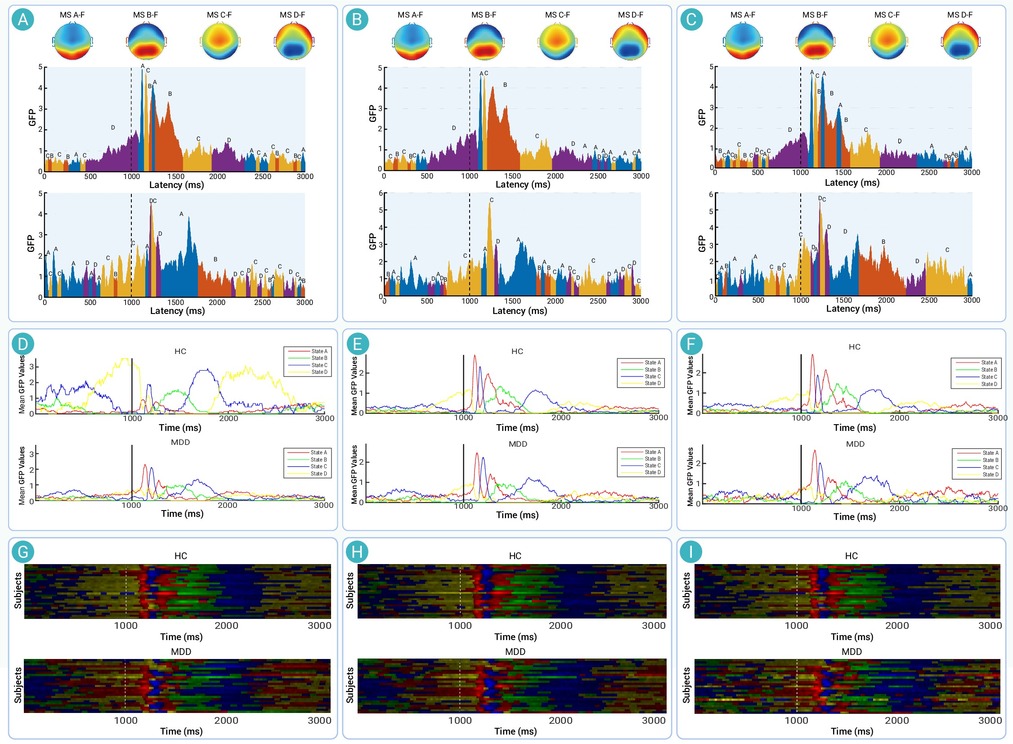
Figure 1.
State classification of the back-fitting of the original EEG sequence by the microstate prototype during aesthetic perception of face images
-
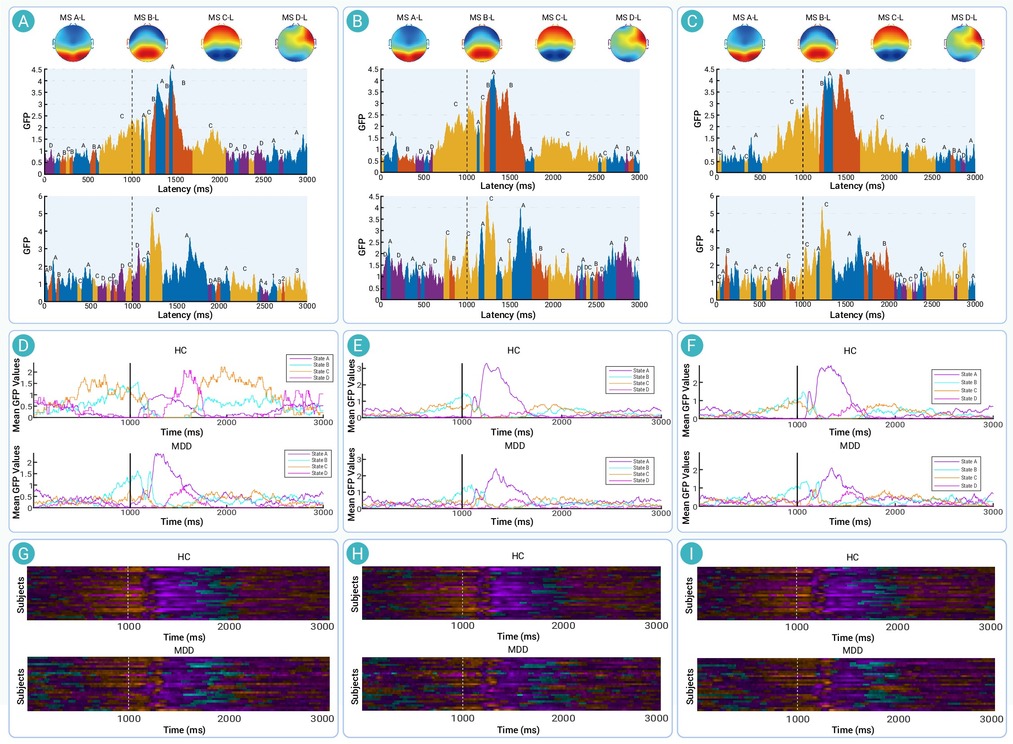
Figure 2.
State classification of the back-fitting of the original EEG sequence by the microstate prototype during aesthetic perception of landscape images
-
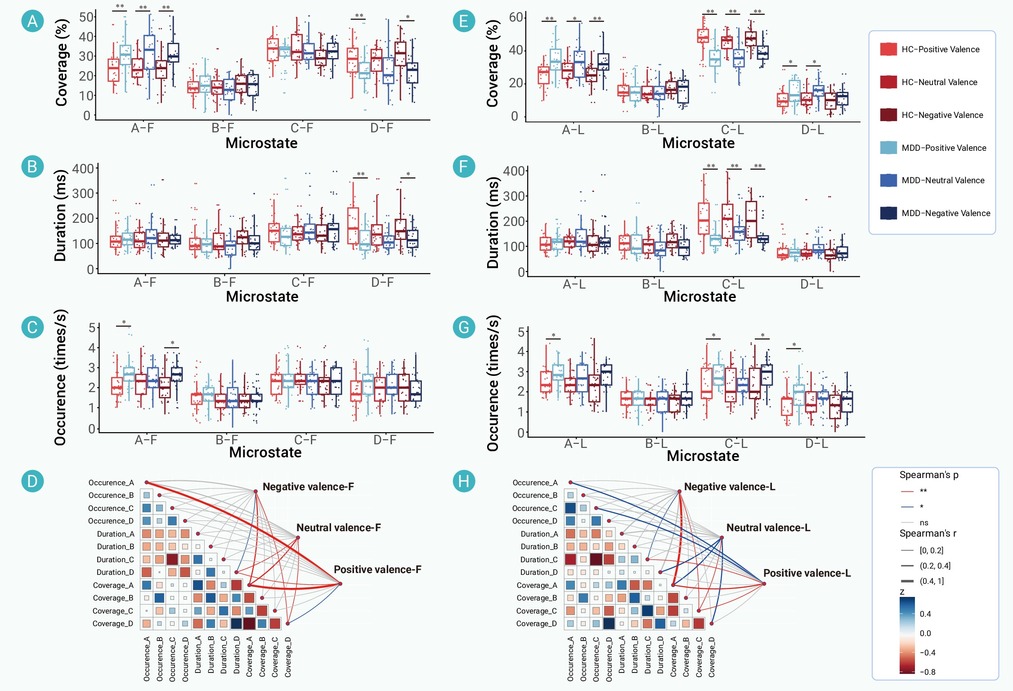
Figure 3.
Box plot of occurrence, duration, and coverage of microstates and their correlations with BDI-2 scores
-
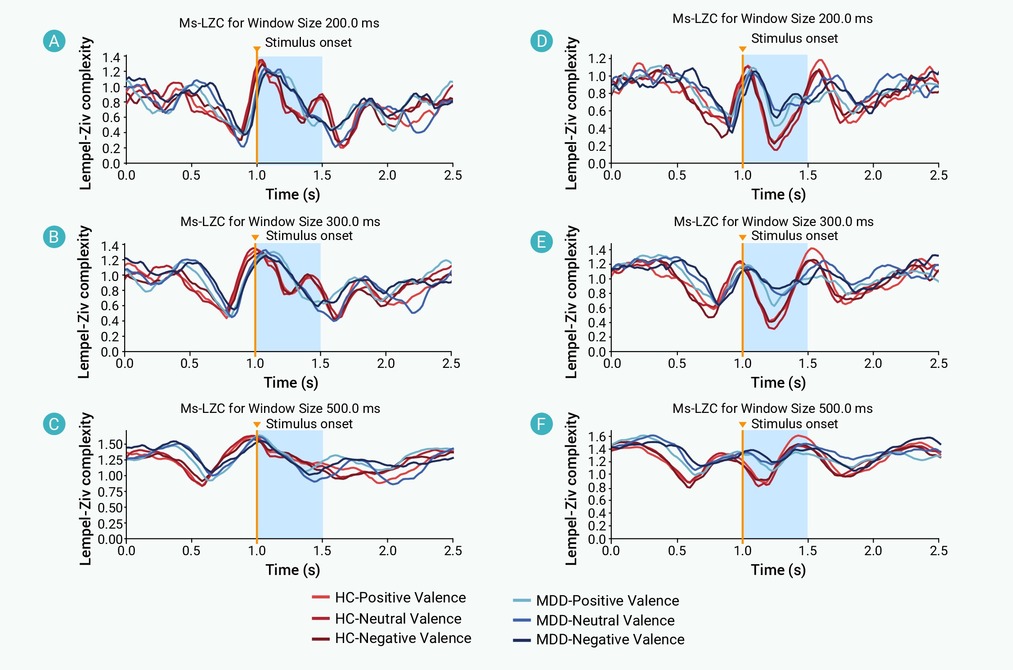
Figure 4.
Evolution of average entropy of microstate complexity during aesthetic evaluation
-
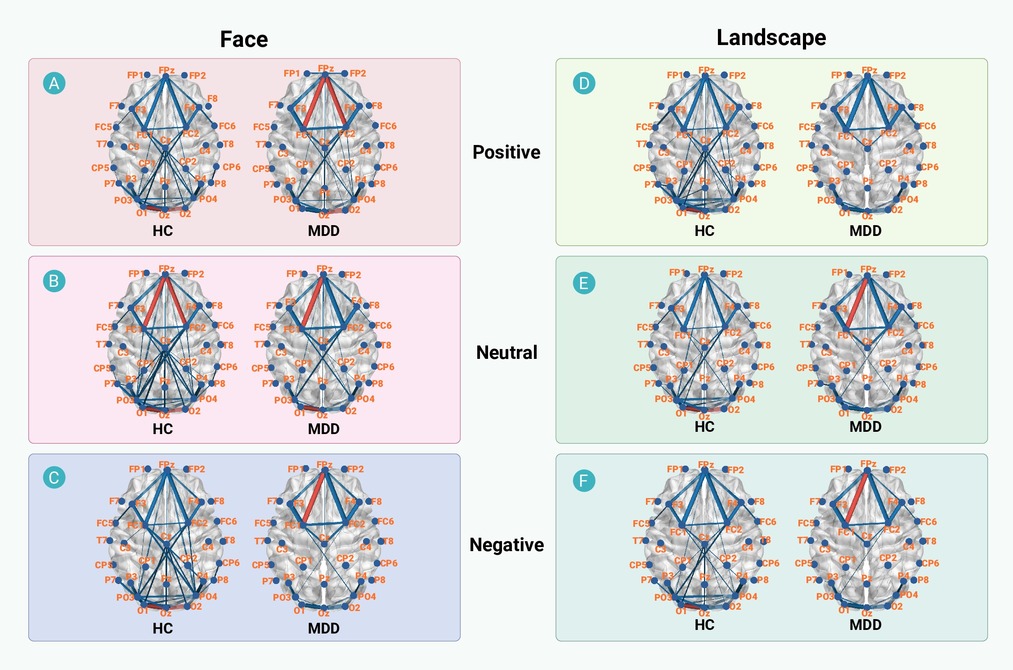
Figure 5.
Functional connectivity (FC) changes during the critical 500 ms aesthetic perception in each group
