
Associations between PM2.5 exposure and COPD and gastrointestinal conditions: Underlying lung-gut metabolic communication
-
GRAPHICAL ABSTRACT

 DownLoad:
Full size image
DownLoad:
Full size image
-
PUBLIC SUMMARY
-
Exposure to PM2.5 increases the risk of disease transition between COPD and gastrointestinal (GI) diseases.
PM2.5 alters the gut microbiome, affecting lung and gut metabolites and inflammation in both regions.
Imbalance metabolic communication between the lung and gut under PM2.5 exposure.
Tryptophan and glycerophospholipid metabolism changes are key to lung-gut communication upon PM2.5 exposure.
-
-
ABSTRACT
BackgroundWhile the individual effects of PM2.5 on the respiratory and gastrointestinal (GI) systems are known, its combined impact on these organs and the underlying mechanisms involved remain unclear. We aimed to investigate the associations between PM2.5 exposure and the risk of chronic obstructive pulmonary disease (COPD) and GI diseases and to explore lung‒gut metabolic communication.MethodsData from the UK Biobank were analysed. The PM2.5-related metabolic signature was evaluated via elastic net regression analysis. A multistate model was used to assess the dynamic impact of PM2.5 on COPD and four GI diseases. Male C57BL/6N mice were exposed to PM2.5 or filtered air for 8 weeks. Underlying metabolic mechanisms were elucidated through multiomics analyses.ResultsOur cohort analysis showed that PM2.5 exposure affects the transition from COPD to inflammatory bowel disease (IBD) [HR (95% CI): 1.23 (1.09, 1.49)] and from IBD to COPD [HR (95% CI): 1.09 (1.02, 1.47)]. Similarly, PM2.5-related metabolomic profiles affect COPD and IBD transition. Exposure to PM2.5 induced metabolic alterations in lung and gut tissues. Multiomics analysis revealed that tryptophan and glycerophospholipid metabolites were significantly associated with inflammatory markers and the key gut microbiome. Mediation analysis showed that key metabolites mediate the associations between the gut microbiome and inflammatory markers.ConclusionA significant dynamic association was found between PM2.5 exposure and the risk of COPD and GI diseases. This association may be attributed to the crucial role of tryptophan and glycerophospholipid metabolism in mediating lung and gut communication under PM2.5 exposure, as identified in animal experiments. -

-
REFERENCES
[1] Rutten E. P., Spruit M. A., Franssen F. M., et al. (2014). GI symptoms in patients with COPD. Chest 145:1437−1438. DOI:10.1378/chest.14-0285 [2] Budden K. F., Gellatly S. L., Wood D. L., et al. (2017). Emerging pathogenic links between microbiota and the gut-lung axis. Nat. Rev. Microbiol. 15:55−63. DOI:10.1038/nrmicro.2016.142 [3] Kim J., Lee J. H., Kim Y., et al. (2013). Association between chronic obstructive pulmonary disease and gastroesophageal reflux disease: A national cross-sectional cohort study. BMC Pulm. Med. 13:51. DOI:10.1186/1471-2466-13-51 [4] Raftery A. L., Tsantikos E., Harris N. L., et al. (2020). Links between inflammatory bowel disease and chronic obstructive pulmonary disease. Front. Immunol. 11:2144. DOI:10.3389/fimmu.2020.02144 [5] Kisiel M. A., Sedvall M., Malinovschi A., et al. (2023). Inflammatory bowel disease and asthma. Results from the RHINE study. Respir. Med. 216:107307. DOI:10.1016/j.rmed.2023.107307 [6] Kilic Y., Kamal S., Jaffar F., et al. (2023). Prevalence of extraintestinal manifestations in inflammatory bowel disease: A systematic review and meta-analysis. Inflamm. Bowel Dis. 30:230-239. DOI:10.1093/ibd/izad061 [7] Song X., Xina D., Jiajing C., et al. (2024). The role and mechanism of gut-lung axis mediated bidirectional communication in the occurrence and development of chronic obstructive pulmonary disease. Gut Microbes 16:2414805. DOI:10.1080/19490976.2024.2414805 [8] Mackintosh J. A., Desai S. R., Adamali H., et al. (2019). In patients with idiopathic pulmonary fibrosis the presence of hiatus hernia is associated with disease progression and mortality. Eur. Respir. J. 53:1802412. DOI:10.1183/13993003.02412-2018 [9] Mazumder M. H. H., Gandhi J., Majumder N., et al. (2023). Lung-gut axis of microbiome alterations following co-exposure to ultrafine carbon black and ozone. Part. Fibre. Toxicol. 20:15. DOI:10.1186/s12989-023-00528-8 [10] Keulers L., Dehghani A., Knippels L., et al. (2022). Probiotics, prebiotics, and synbiotics to prevent or combat air pollution consequences: The gut-lung axis. Environ. Pollut. 302:119066. DOI:10.1016/j.envpol.2022.119066 [11] You D., Wu Y., Lu M., et al. (2025). A genome-wide cross-trait analysis characterizes the shared genetic architecture between lung and gastrointestinal diseases. Nat. Commun. 16:3032. DOI:10.1038/s41467-025-58248-w [12] Wang L., Cai Y., Garssen J., et al. (2023). The bidirectional gut-lung axis in chronic obstructive pulmonary disease. Am. J. Respir. Crit. Care Med. 207:1145−1160. DOI:10.1164/rccm.202206-1066TR [13] Li M. H., Fan L. C., Mao B., et al. (2016). Short-term exposure to ambient fine particulate matter increases hospitalizations and mortality in COPD: A systematic review and meta-analysis. Chest 149:447−458. DOI:10.1378/chest.15-0513 [14] Adam M., Schikowski T., Carsin A. E., et al. (2015). Adult lung function and long-term air pollution exposure. ESCAPE: A multicentre cohort study and meta-analysis. Eur. Respir. J. 45:38−50. DOI:10.1183/09031936.00130014 [15] Schikowski T., Adam M., Marcon A., et al. (2014). Association of ambient air pollution with the prevalence and incidence of COPD. Eur. Respir. J. 44:614−626. DOI:10.1183/09031936.00132213 [16] Zhou H., Hong F., Wang L., et al. (2024). Air pollution and risk of 32 health conditions: Outcome-wide analyses in a population-based prospective cohort in Southwest China. BMC Med. 22:370. DOI:10.1186/s12916-024-03596-5 [17] Vignal C., Guilloteau E., Gower-Rousseau C., et al. (2021). Review article: Epidemiological and animal evidence for the role of air pollution in intestinal diseases. Sci. Total Environ. 757:143718. DOI:10.1016/j.scitotenv.2020.143718 [18] Ding S., Sun S., Ding R., et al. (2022). Association between exposure to air pollutants and the risk of inflammatory bowel diseases visits. Environ. Sci. Pollut. Res. Int. 29:17645−17654. DOI:10.1007/s11356-021-17009-0 [19] Liu B., Wang G., Wang L., et al. (2024). Unraveling cross-organ impacts of airborne pollutants: A multiomics study on respiratory exposure and gastrointestinal health. Environ. Sci. Technol. 58:15511−15521. DOI:10.1021/acs.est.4c06035 [20] Li T., Fang J., Tang S., et al. (2022). PM(2.5) exposure associated with microbiota gut-brain axis: Multi-omics mechanistic implications from the BAPE study. The Innovation 3:100213. DOI:10.1016/j.xinn.2022.100213 [21] Kreyling W. G., Semmler-Behnke M. and Moller W. (2006). Ultrafine particle-lung interactions: Does size matter. J. Aerosol. Med. 19:74−83. DOI:10.1089/jam.2006.19.74 [22] Pambianchi E., Pecorelli A. and Valacchi G. (2022). Gastrointestinal tissue as a "new" target of pollution exposure. IUBMB Life. 74:62−73. DOI:10.1002/iub.2530 [23] Keswani A., Akselrod H. and Anenberg S. C. (2022). Health and clinical impacts of air pollution and linkages with climate change. NEJM Evid. 1:EVIDra2200068. DOI:10.1056/EVIDra2200068 [24] Chiu Y. H., Chiu H. P. and Lin M. Y. (2023). Synergistic effect of probiotic and postbiotic on attenuation of PM2.5-induced lung damage and allergic response. J. Food Sci. 88:513-522. DOI:10.1111/1750-3841.16398 [25] Sharon G., Garg N., Debelius J., et al. (2014). Specialized metabolites from the microbiome in health and disease. Cell Metab. 20:719−730. DOI:10.1016/j.cmet.2014.10.016 [26] Nassan F. L., Kelly R. S., Kosheleva A., et al. (2021). Metabolomic signatures of the long-term exposure to air pollution and temperature. Environ. Health 20:3. DOI:10.1186/s12940-020-00683-x [27] Liang D., Li Z., Vlaanderen J., et al. (2023). A state-of-the-science review on high-resolution metabolomics application in air pollution health research: Current progress, analytical challenges, and recommendations for future direction. Environ. Health Perspect. 131:56002. DOI:10.1289/EHP11851 [28] Wu W., Li Z., Wang Y., et al. (2023). Advances in metabolomics of chronic obstructive pulmonary disease. Chin. Med. J. Pulm. Crit. Care Med. 1:223−230. DOI:10.1016/j.pccm.2023.10.001 [29] Mars R. A. T., Yang Y., Ward T., et al. (2020). Longitudinal multi-omics reveals subset-specific mechanisms underlying irritable bowel syndrome. Cell 182:1460-1473 e1417. DOI:10.1016/j.cell.2020.08.007 [30] Budden K. F., Shukla S. D., Rehman S. F., et al. (2019). Functional effects of the microbiota in chronic respiratory disease. Lancet Respir. Med. 7:907−920. DOI:10.1016/S2213-2600(18)30510-1 [31] Sudlow C., Gallacher J., Allen N., et al. (2015). UK biobank: An open access resource for identifying the causes of a wide range of complex diseases of middle and old age. PLoS Med. 12:e1001779. DOI:10.1371/journal.pmed.1001779 [32] Lu Z., Coll P., Maitre B., et al. (2022). Air pollution as an early determinant of COPD. Eur. Respir. Rev. 31. DOI:10.1183/16000617.0059-2022 [33] Cooper A., Lamb M., Sharp S., et al. (2017). Bidirectional association between physical activity and muscular strength in older adults: Results from the UK Biobank study. Int. J. Epidemiol. 46:141−148. DOI:10.1093/ije/dyw054 [34] Bhattacharya R., Zekavat S. M., Uddin M. M., et al. (2021). Association of diet quality with prevalence of clonal hematopoiesis and adverse cardiovascular events. JAMA Cardiol. 6:1069−1077. DOI:10.1001/jamacardio.2021.1678 [35] Wu Y., Zhang S., Qian S. E., et al. (2022). Ambient air pollution associated with incidence and dynamic progression of type 2 diabetes: A trajectory analysis of a population-based cohort. BMC Med. 20:375. DOI:10.1186/s12916-022-02573-0 [36] Shi H., Zheng G., Wang C., et al. (2024). Air pollution associated with cardiopulmonary disease and mortality among participants with preserved ratio impaired spirometry. Sci. Total Environ. 950:175395. DOI:10.1016/j.scitotenv.2024.175395 [37] Liu W., Wei J., Cai M., et al. (2022). Particulate matter pollution and asthma mortality in China: A nationwide time-stratified case-crossover study from 2015 to 2020. Chemosphere 308:136316. DOI:10.1016/j.chemosphere.2022.136316 [38] Cai M., Zhang S., Lin X., et al. (2022). Association of ambient particulate matter pollution of different sizes with in-hospital case fatality among stroke patients in China. Neurology 98:e2474-e2486. DOI:10.1212/WNL.0000000000200546 [39] Huang K., Liang F., Yang X., et al. (2019). Long term exposure to ambient fine particulate matter and incidence of stroke: Prospective cohort study from the China-PAR project. BMJ 367:l6720. DOI:10.1136/bmj.l6720 [40] Shi H., Chen L., Zhang S., et al. (2023). Dynamic association of ambient air pollution with incidence and mortality of pulmonary hypertension: A multistate trajectory analysis. Ecotoxicol. Environ. Saf. 262:115126. DOI:10.1016/j.ecoenv.2023.115126 [41] Elliott P., Peakman T. C. and Biobank U. K. (2008). The UK Biobank sample handling and storage protocol for the collection, processing and archiving of human blood and urine. Int. J. Epidemiol. 37:234−244. DOI:10.1093/ije/dym276 [42] Julkunen H., Cichonska A., Tiainen M., et al. (2023). Atlas of plasma NMR biomarkers for health and disease in 118,461 individuals from the UK Biobank. Nat. Commun. 14:604. DOI:10.1038/s41467-023-36231-7 [43] Nightingale (2020). Nightingale health metabolic biomarkers: Phase 1 release. https://biobank.ndph.ox.ac.uk/ukb/ukb/docs/nmrm_companion_doc.pdf. [44] Zhang J., Fang X. Y., Leng R., et al. (2023). Metabolic signature of healthy lifestyle and risk of rheumatoid arthritis: Observational and mendelian randomization study. Am. J. Clin. Nutr. 118:183−193. DOI:10.1016/j.ajcnut.2023.04.034 [45] Sioutas C., Koutrakis P. and Burton R. M. (1995). A technique to expose animals to concentrated fine ambient aerosols. Environ. Health Perspect. 103:172−177. DOI:10.1289/ehp.95103172 [46] Hu R., Zhang L., Qin L., et al. (2023). Airborne PM(2.5) pollution: A double-edged sword modulating hepatic lipid metabolism in middle-aged male mice. Environ. Pollut. 324:121347. DOI:10.1016/j.envpol.2023.121347 [47] Hou T., Jiang Y., Zhang J., et al. (2024). Kidney injury evoked by fine particulate matter: Risk factor, causation, mechanism and intervention study. Adv. Sci. 11:e2403222. DOI:10.1002/advs.202403222 [48] Wang Y., Li R., Chen R., et al. (2020). Ambient fine particulate matter exposure perturbed circadian rhythm and oscillations of lipid metabolism in adipose tissues. Chemosphere 251:126392. DOI:10.1016/j.chemosphere.2020.126392 [49] Zhao C., Pu W., Wazir J., et al. (2022). Long-term exposure to PM2.5 aggravates pulmonary fibrosis and acute lung injury by disrupting Nrf2-mediated antioxidant function. Environ. Pollut. 313:120017. DOI:10.1016/j.envpol.2022.120017 [50] Palaniyandi S., Liu X., Periasamy S., et al. (2015). Inhibition of CD23-mediated IgE transcytosis suppresses the initiation and development of allergic airway inflammation. Mucosal. Immunol. 8:1262−1274. DOI:10.1038/mi.2015.16 [51] Ginzel M., Yu Y., Klemann C., et al. (2016). The viral dsRNA analogue poly (I:C) induces necrotizing enterocolitis in neonatal mice. Pediatric. Res. 79:596−602. DOI:10.1038/pr.2015.261 [52] Friedman J., Hastie T. and Tibshirani R. (2010). Regularization paths for generalized linear models via coordinate descent. J. Stat. Softw. 33:1−22. DOI:10.18637/jss.v033.i01 [53] Gonzales G. B. and De Saeger S. (2018). Elastic net regularized regression for time-series analysis of plasma metabolome stability under sub-optimal freezing condition. Sci. Rep. 8:3659. DOI:10.1038/s41598-018-21851-7 [54] Julkunen H., Cichonska A., Slagboom P. E., et al. (2021). Metabolic biomarker profiling for identification of susceptibility to severe pneumonia and COVID-19 in the general population. Elife 10:e63033. DOI:10.7554/eLife.63033 [55] Chong J., Wishart D. S. and Xia J. (2019). Using MetaboAnalyst 4.0 for comprehensive and integrative metabolomics data analysis. Curr. Protoc. Bioinformatics. 68:e86. DOI:10.1002/cpbi.86 [56] Imai K., Keele L. and Tingley D. (2010). A general approach to causal mediation analysis. Psychol. Methods 15:309−334. DOI:10.1037/a0020761 [57] Du X., Zeng X., Pan K., et al. (2020). Metabolomics analysis of urine from healthy wild type mice exposed to ambient PM(2.5). Sci. Total Environ. 714:136790. DOI:10.1016/j.scitotenv.2020.136790 [58] Paulson J. N., Stine O. C., Bravo H. C., et al. (2013). Differential abundance analysis for microbial marker-gene surveys. Nat. Methods 10:1200−1202. DOI:10.1038/nmeth.2658 [59] Qin J. and Wang J. (2023). Research progress on the effects of gut microbiome on lung damage induced by particulate matter exposure. Environ. Res. 233:116162. DOI:10.1016/j.envres.2023.116162 [60] Adami G., Pontalti M., Cattani G., et al. (2022). Association between long-term exposure to air pollution and immune-mediated diseases: A population-based cohort study. RMD Open 8:e002055. DOI:10.1136/rmdopen-2021-002055 [61] Okafor P. N., Dahlen A., Youssef M., et al. (2023). Environmental pollutants are associated with irritable bowel syndrome in a commercially insured cohort of California residents. Clin. Gastroenterol. Hepatol. 21:1617-1626 e1619. DOI:10.1016/j.cgh.2022.09.025 [62] Aghapour M., Raee P., Moghaddam S. J., et al. (2018). Airway epithelial barrier dysfunction in chronic obstructive pulmonary disease: Role of cigarette smoke exposure. Am. J. Respir. Cell Mol. Biol. 58:157−169. DOI:10.1165/rcmb.2017-0200TR [63] Lochhead P., Khalili H., Ananthakrishnan A. N., et al. (2016). Association between circulating levels of C-reactive protein and Interleukin-6 and risk of inflammatory bowel disease. Clin. Gastroenterol. Hepatol. 14:818-824 e816. DOI:10.1016/j.cgh.2016.01.016 [64] Dong Y., He L., Zhu Z., et al. (2024). The mechanism of gut-lung axis in pulmonary fibrosis. Front. Cell Infect. Microbiol. 14:1258246. DOI:10.3389/fcimb.2024.1258246 [65] Zhang B., Luo W., Cai Y., et al. (2024). Global burden of adolescent and young adult cardiovascular diseases and risk factors: Results from Global Burden of Disease Study 2019. Innov. Med. 2:100063. DOI:10.59717/j.xinn-med.2024.100063 [66] Chu H., Huang F. Q., Yuan Q., et al. (2021). Metabolomics identifying biomarkers of PM(2.5) exposure for vulnerable population: Based on a prospective cohort study. Environ. Sci. Pollut. Res. Int. 28:14586-14596. DOI:10.1007/s11356-020-11677-0 [67] Gruzieva O., Jeong A., He S., et al. (2022). Air pollution, metabolites and respiratory health across the life-course. Eur. Respir. Rev. 31:220038. DOI:10.1183/16000617.0038-2022 [68] Reifenberg P. and Zimmer A. (2024). Branched-chain amino acids: Physico-chemical properties, industrial synthesis and role in signaling, metabolism and energy production. Amino Acids 56:51. DOI:10.1007/s00726-024-03417-2 [69] Palego L., Betti L., Rossi A., et al. (2016). Tryptophan biochemistry: Structural, nutritional, metabolic, and medical aspects in humans. J. Amino Acids 2016:8952520. DOI:10.1155/2016/8952520 [70] Martin-Subero M., Anderson G., Kanchanatawan B., et al. (2016). Comorbidity between depression and inflammatory bowel disease explained by immune-inflammatory, oxidative, and nitrosative stress; tryptophan catabolite; and gut-brain pathways. CNS Spectr. 21:184−198. DOI:10.1017/S1092852915000449 [71] Dai S., Wang Z., Cai M., et al. (2024). A multi-omics investigation of the lung injury induced by PM(2.5) at environmental levels via the lung-gut axis. Sci. Total Environ. 926:172027. DOI:10.1016/j.scitotenv.2024.172027 [72] Sulijaya B., Takahashi N. and Yamazaki K. (2020). Lactobacillus-derived bioactive metabolites for the regulation of periodontal health: Evidences to clinical setting. Molecules 25:2088. DOI:10.3390/molecules25092088 [73] Wan Saudi W. S. and Sjöblom M. (2017). Short-chain fatty acids augment rat duodenal mucosal barrier function. Exp. Physiol. 102:791−803. DOI:10.1113/ep086110 [74] Li L., Ma L. and Fu P. (2017). Gut microbiota-derived short-chain fatty acids and kidney diseases. Drug Des. Devel. Ther. 11:3531−3542. DOI:10.2147/dddt.S150825 [75] Pérez-Reytor D., Puebla C., Karahanian E., et al. (2021). Use of short-chain fatty acids for the recovery of the intestinal epithelial barrier affected by bacterial toxins. Front. Physiol. 12:650313. DOI:10.3389/fphys.2021.650313 [76] Uberoi A., Bartow-McKenney C., Zheng Q., et al. (2021). Commensal microbiota regulates skin barrier function and repair via signaling through the aryl hydrocarbon receptor. Cell Host Microbe 29:1235-1248 e1238. DOI:10.1016/j.chom.2021.05.011 [77] Hu T., Zhu Y., Zhu J., et al. (2022). Wine-processed radix scutellariae alleviates ARDS by regulating tryptophan metabolism through gut microbiota. Front. Pharmacol. 13:1104280. DOI:10.3389/fphar.2022.1104280 [78] Ha S., Jin B., Clemmensen B., et al. (2021). Serotonin is elevated in COVID-19-associated diarrhoea. Gut 70:2015−2017. DOI:10.1136/gutjnl-2020-323542 [79] Tanaka M., Toth F., Polyak H., et al. (2021). Immune influencers in action: Metabolites and enzymes of the tryptophan-kynurenine metabolic pathway. Biomedicines 9:734. DOI:10.3390/biomedicines9070734 [80] Seo S. K. and Kwon B. (2023). Immune regulation through tryptophan metabolism. Exp. Mol. Med. 55:1371−1379. DOI:10.1038/s12276-023-01028-7 [81] He Z., Zhang H., Song Y., et al. (2022). Exposure to ambient fine particulate matter impedes the function of spleen in the mouse metabolism of high-fat diet. J. Hazard. Mater. 423:127129. DOI:10.1016/j.jhazmat.2021.127129 [82] Wu Y., Gasevic D., Wen B., et al. (2023). Association between air pollution and telomere length: A study of 471,808 UK Biobank participants. Innov. Med. 1:100017. DOI:10.59717/j.xinn-med.2023.100017 [83] Petrenko V., Sinturel F., Riezman H., et al. (2023). Lipid metabolism around the body clocks. Prog. Lipid. Res. 91:101235. DOI:10.1016/j.plipres.2023.101235 [84] Garavito M. F., Narvaez-Ortiz H. Y. and Zimmermann B. H. (2015). Pyrimidine metabolism: Dynamic and versatile pathways in pathogens and cellular development. J. Genet. Genomics. 42:195−205. DOI:10.1016/j.jgg.2015.04.004 [85] Liu D., Liu Y., Wang R., et al. (2022). Metabolic profiling disturbance of PM(2.5) revealed by raman spectroscopy and mass spectrometry-based nontargeted metabolomics. Environ. Sci. Pollut. Res. Int. 29:74500-74511. DOI:10.1007/s11356-022-20506-5 -
ABOUT THIS ARTICLE
Cite this article:
Shi H., Hou T., Tan L., et al. (2025). Associations between PM2.5 exposure and COPD and gastrointestinal conditions: Underlying lung-gut metabolic communication. The Innovation Medicine 3:100175. https://doi.org/10.59717/j.xinn-med.2025.100175
Welcome!
To request copyright permission to republish or share portions of our works, please visit Copyright Clearance Center's (CCC) Marketplace website at marketplace.copyright.com.
Supplementary Information
-
download_supplementary
Table
Article Metrics
Relative Articles
Cited by
Export File
Citation
Shi H., Hou T., Tan L., et al. (2025). Associations between PM2.5 exposure and COPD and gastrointestinal conditions: Underlying lung-gut metabolic communication. The Innovation Medicine 3:100175. https://doi.org/10.59717/j.xinn-med.2025.100175

Format
Content
-
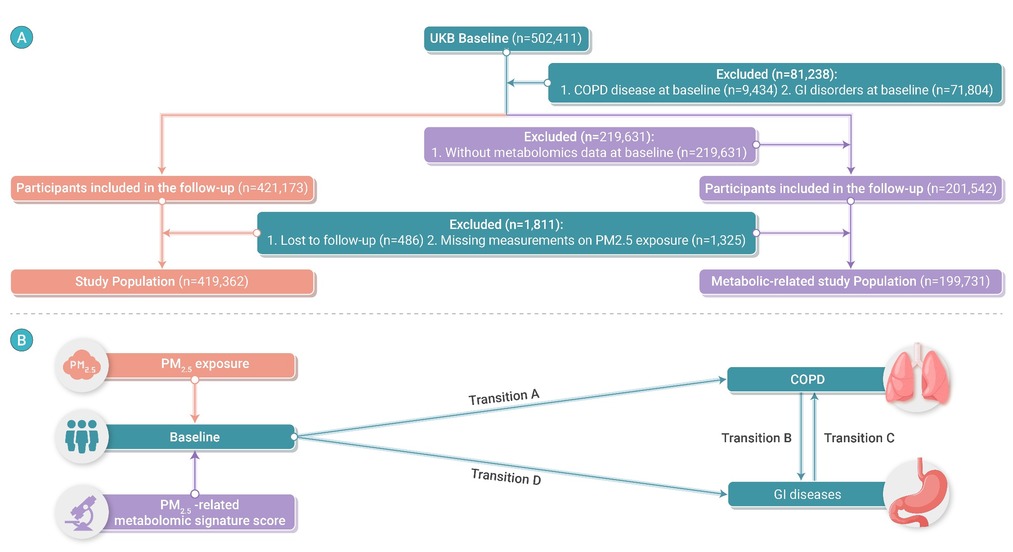
Figure 1.
(A) Study participant selection flowchart. (B) Multistate model depicting transitions between health states: participants from baseline to COPD (Transition A); from COPD to GI diseases (Transition B); from GI diseases to COPD (Transition C); and from baseline to GI diseases (Transition D).
-
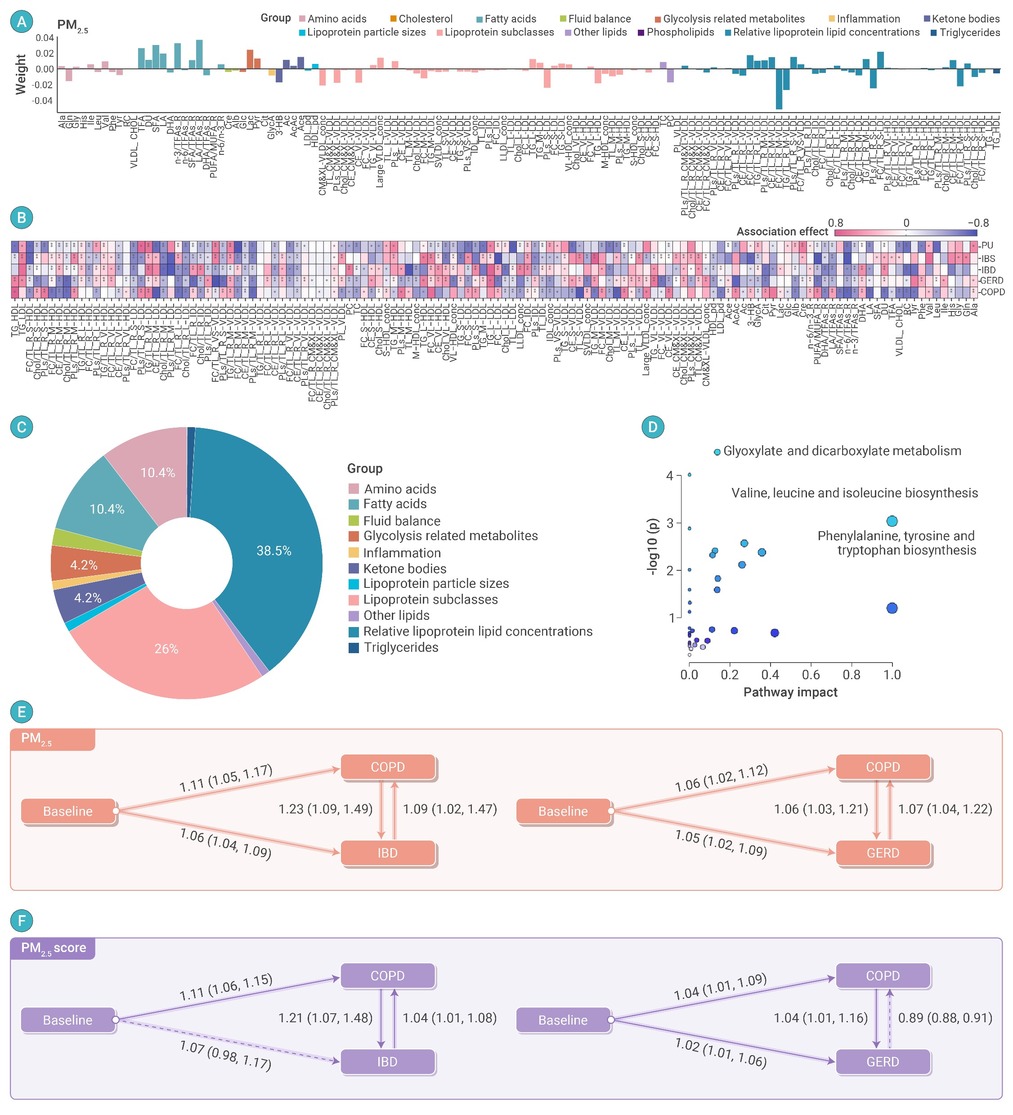
Figure 2.
Metabolomic signatures and disease associations with PM2.5 exposure
-
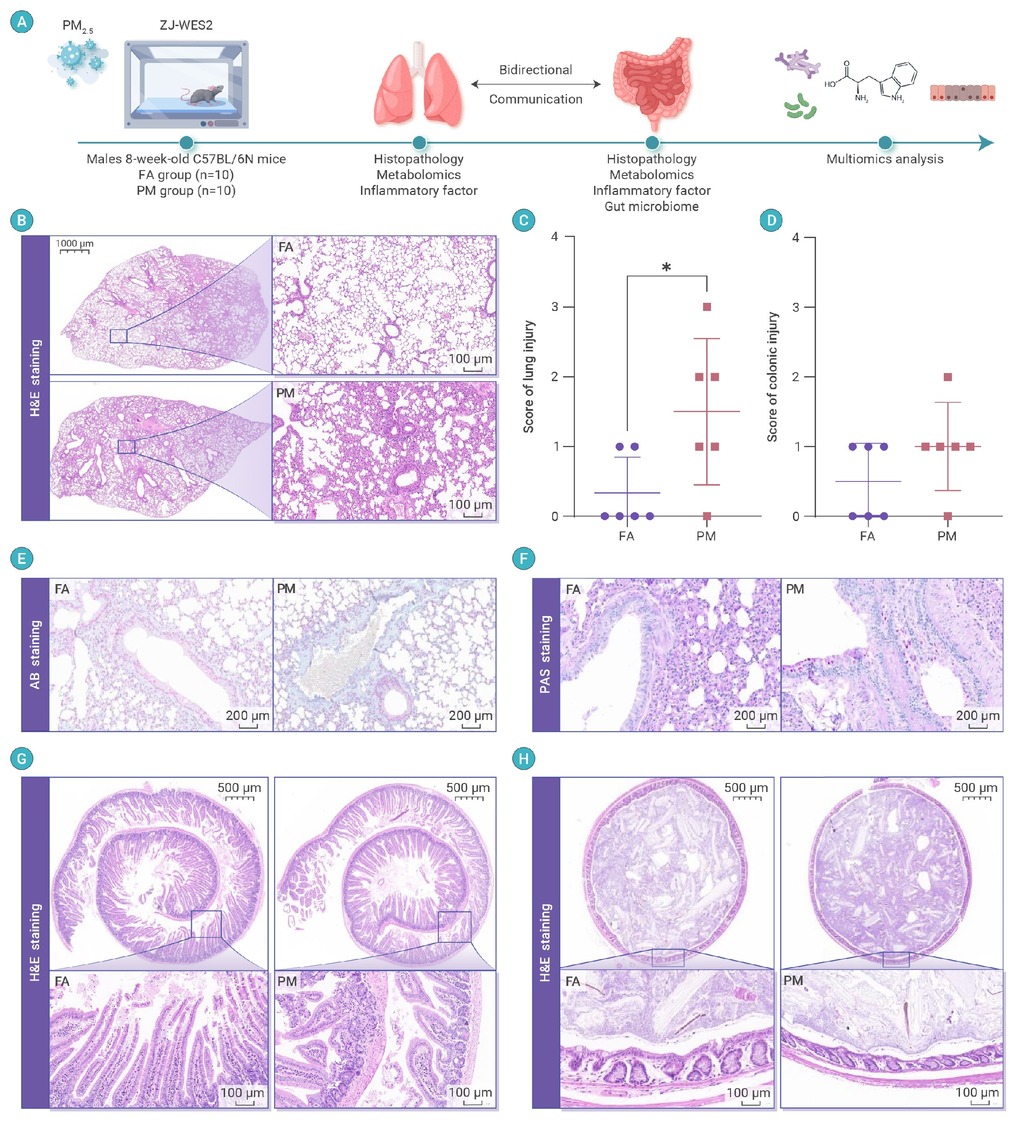
Figure 3.
Histopathological assessment of lung and intestinal tissue injury induced by PM2.5 exposure in mice
-
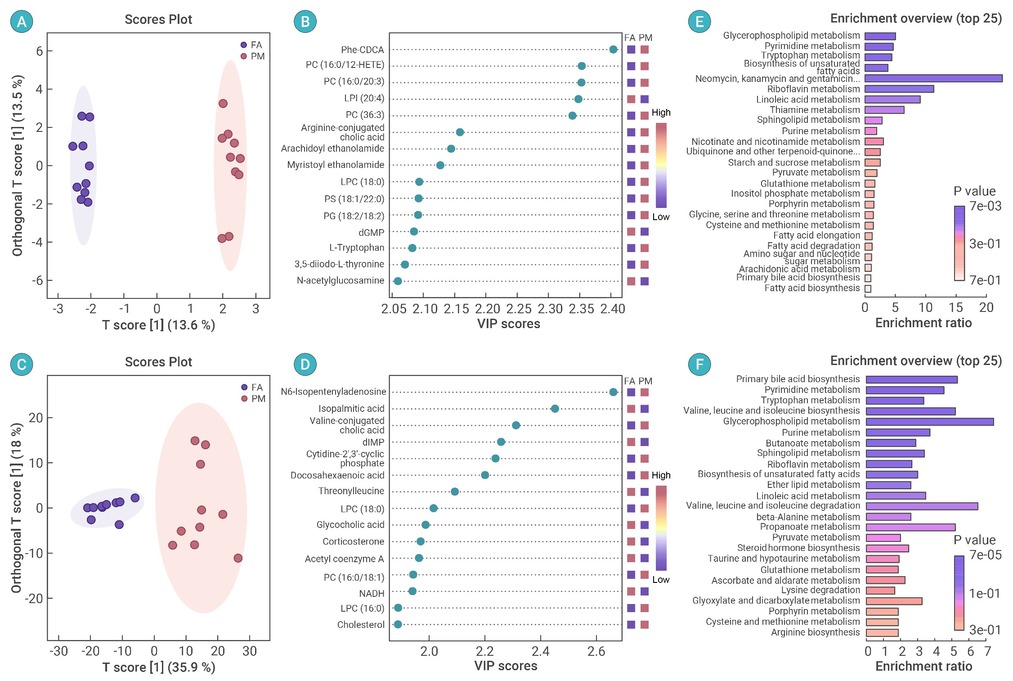
Figure 4.
Tissue metabolic profiles and pathway dysregulation induced by PM2.5exposure
-
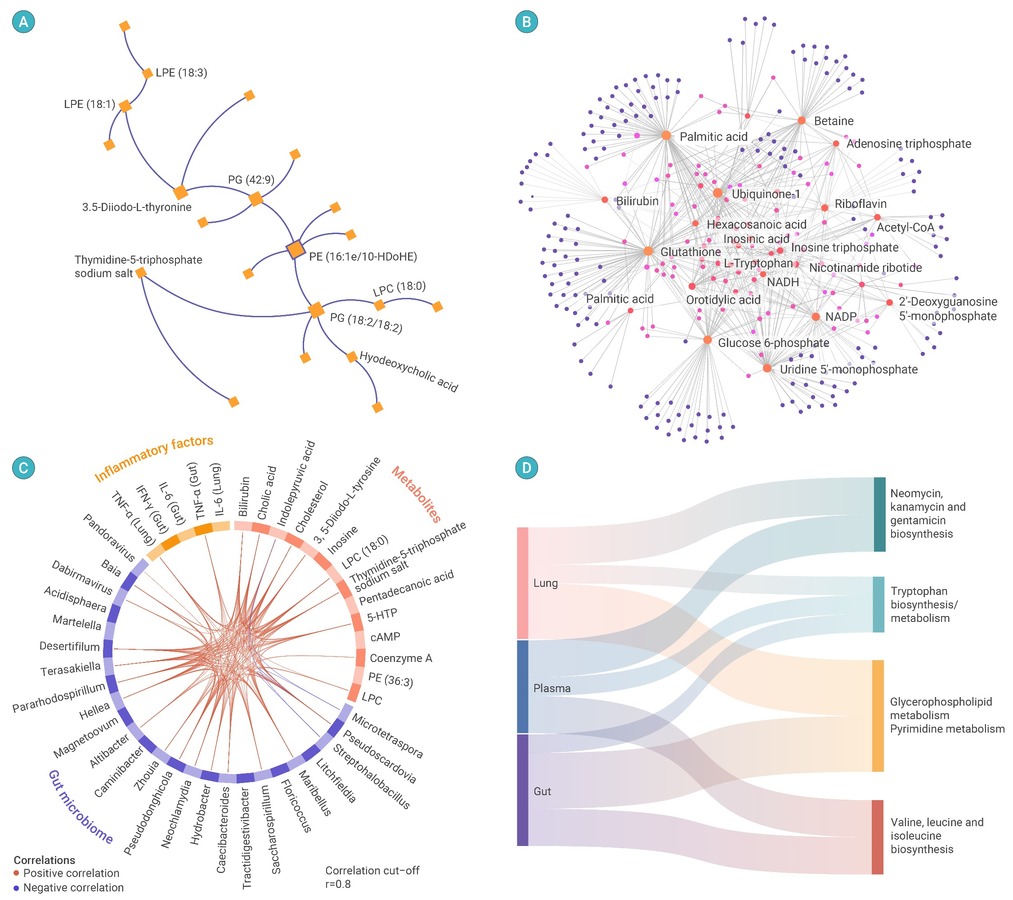
Figure 5.
Lung and gut metabolic communication under PM2.5 exposure
-
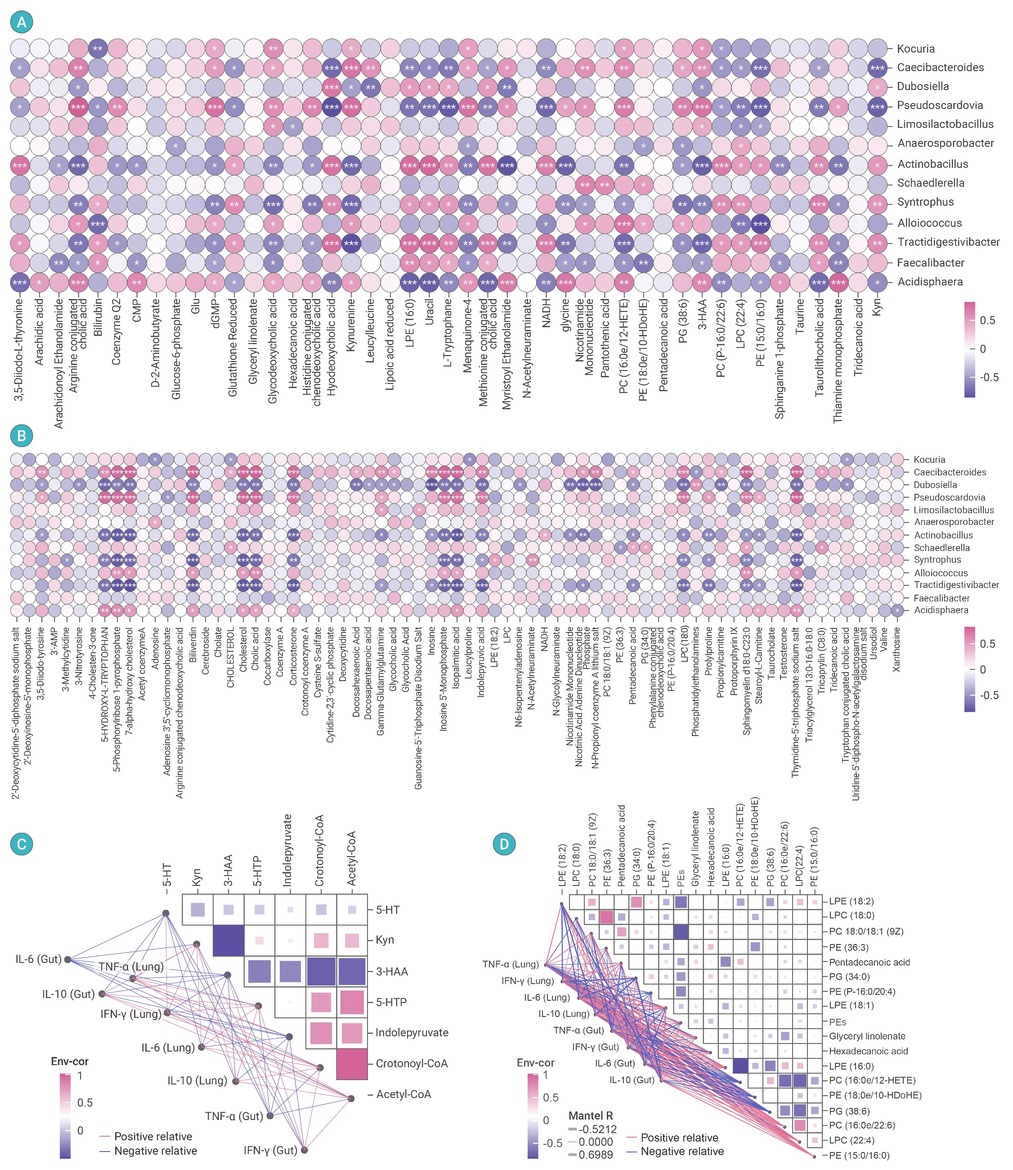
Figure 6.
Correlations of tryptophan/glycerophospholipid metabolites with the gut microbiome and inflammatory factors
